Fishing rod guides are one of the most important components on any rod, yet they’re often overlooked. Most anglers focus on the blank, power, and action, but guides play a major role in how a rod casts, handles line, and performs under load.
The size, spacing, and quality of the guides all influence how efficiently energy moves through the rod during a cast. When guides are properly selected and aligned, the rod casts smoother, reduces friction, and improves overall control.
When they aren’t, performance drops in ways that are easy to feel but hard to diagnose.
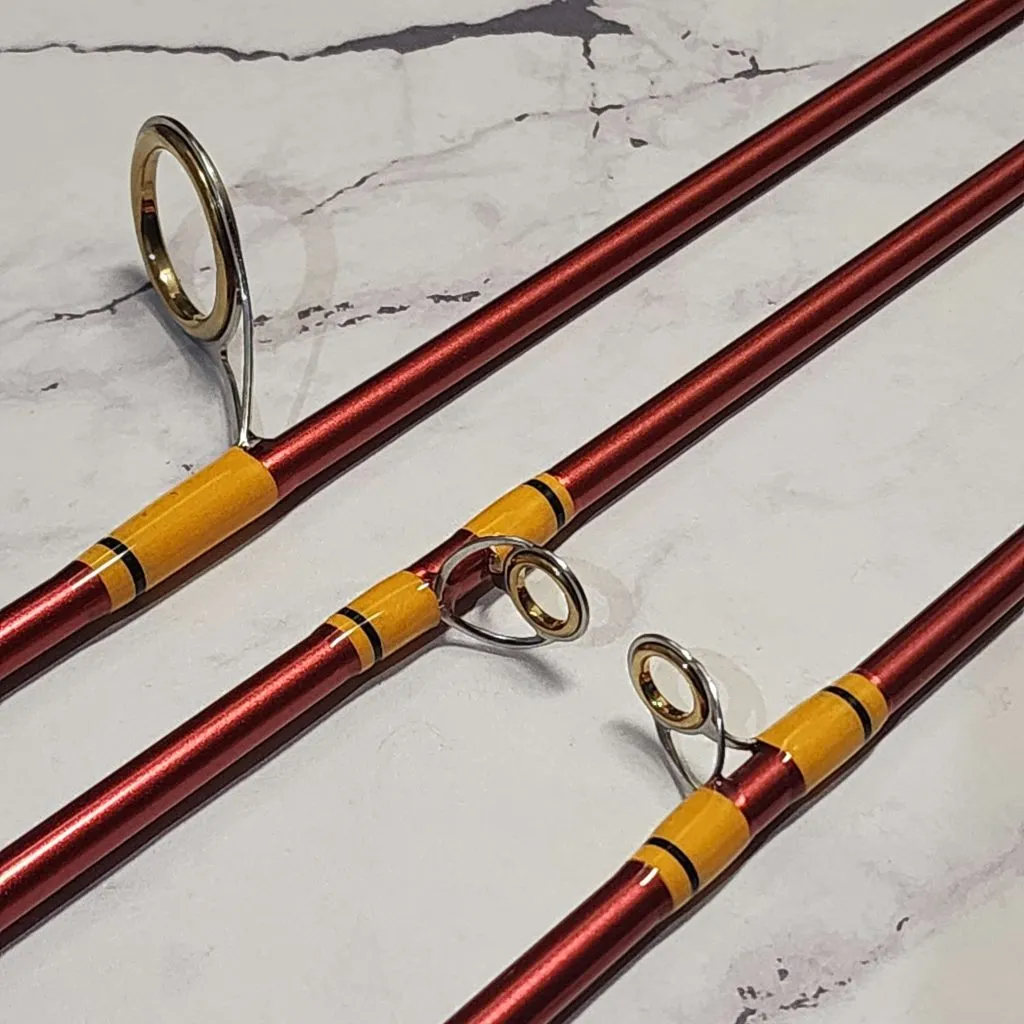
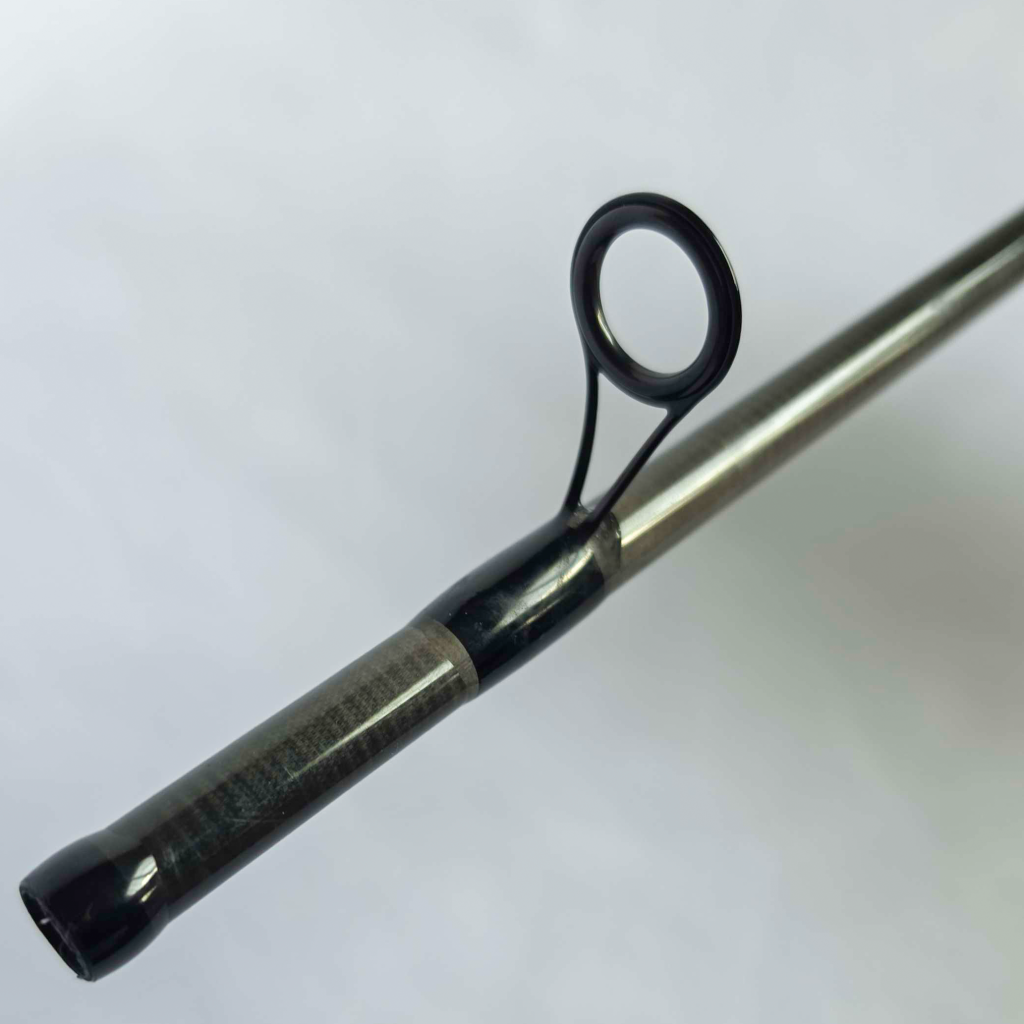
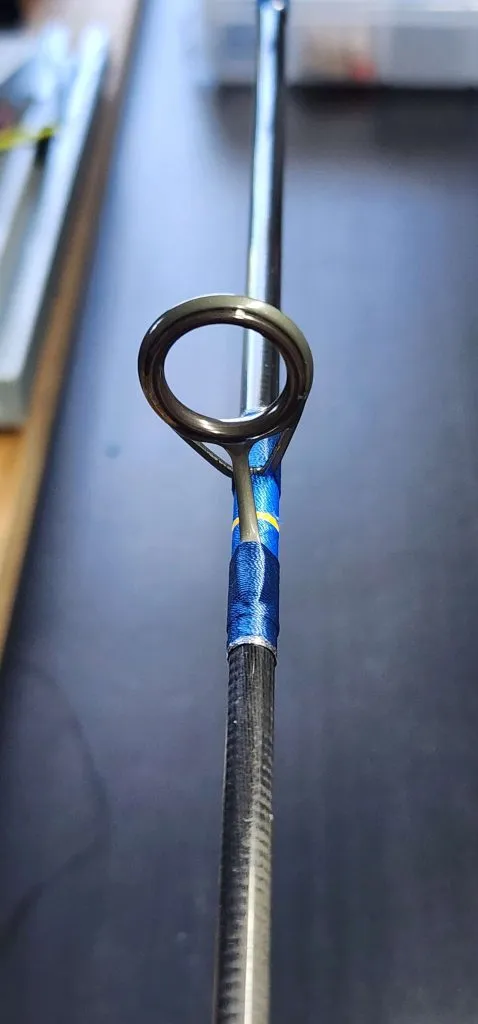
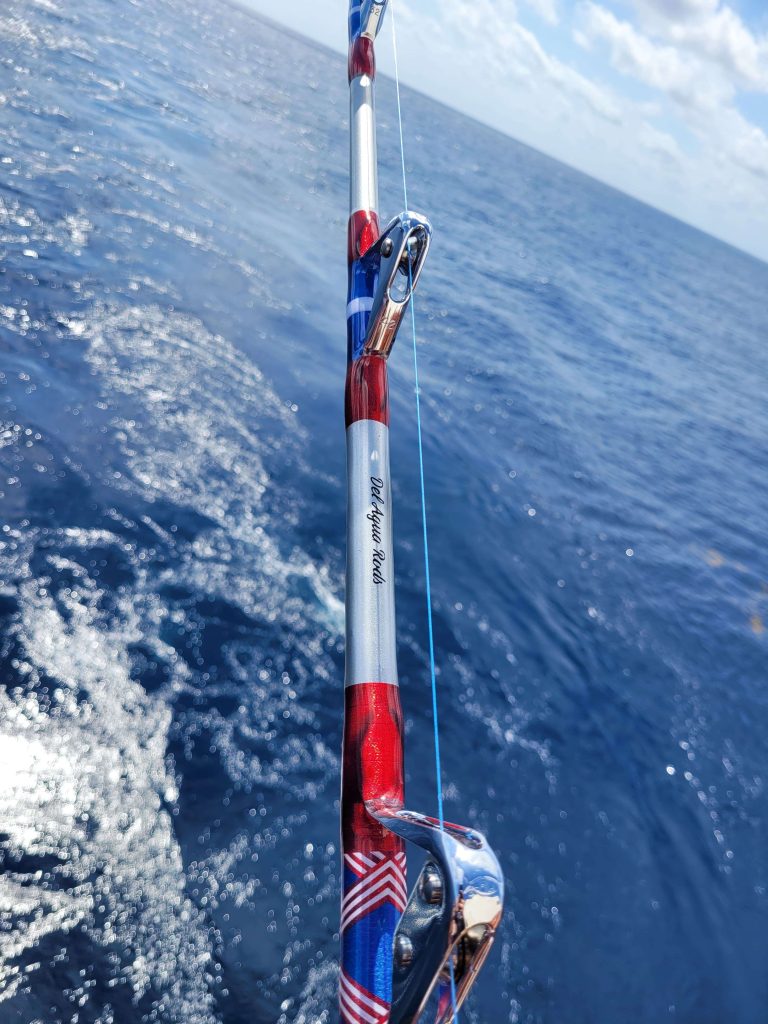
Why Guide Size Matters
Guide size affects how line flows through the rod. Larger guides allow line to move more freely, especially with heavier lines or leader knots, but they also add weight. Smaller guides reduce weight and can improve sensitivity, but they need to be sized correctly to avoid restricting line flow.
Finding the right balance is key. Too large, and the rod becomes heavier and less responsive. Too small, and casting efficiency suffers.
Guide Spacing and Load Distribution
Spacing is where performance really comes together.
Guides are positioned to distribute load evenly along the blank. When spacing is correct, the rod bends smoothly and consistently under pressure. This improves casting accuracy and prevents stress points that can lead to failure over time.
Improper spacing creates flat spots or sharp bends in the rod, which reduces performance and puts unnecessary strain on the blank.
How Guides Affect Casting
During a cast, energy travels from your hands through the blank and into the line. Guides control how that energy is transferred.
Well-placed guides keep the line close to the blank, reduce line slap, and allow for a smoother release. This results in longer, more accurate casts with less effort.
Poor guide layout interrupts that flow, causing friction and reducing distance.
Why It Matters on the Water
On the water, the difference shows up in control and consistency. A properly guided rod feels smoother when casting, more responsive when working a lure, and more stable when fighting fish.
It’s one of those details that doesn’t stand out visually, but makes a noticeable difference in performance.
To understand how guides work with the blank itself, read what is the spine of a fishing rod.
If you’re fishing locally, check out custom fishing rods in Houston, TX to see how these builds come together for Gulf Coast conditions.
Leave a Reply