Category: Fishing

  • 5 Mistakes People Make Buying Fishing Rods

    Buying a fishing rod seems simple at first. Most anglers walk into a tackle shop, pick up a rod that “feels good,” and assume that is enough. In reality, choosing the wrong rod can make casting harder, reduce sensitivity, hurt hooksets, and make fishing far less enjoyable than it should be.

    Many problems anglers experience on the water actually begin with poor rod selection long before the first cast is made.
    Choosing Rod Power Based Only on Fish Size

    One of the biggest mistakes anglers make is selecting rod power based only on the size of the fish they want to catch.

    A heavier rod does not automatically mean better performance. Rod power affects casting distance, lure control, sensitivity, and how efficiently a rod loads during a cast. Using a rod that is too heavy for the lure being thrown often makes the setup feel stiff and unresponsive.

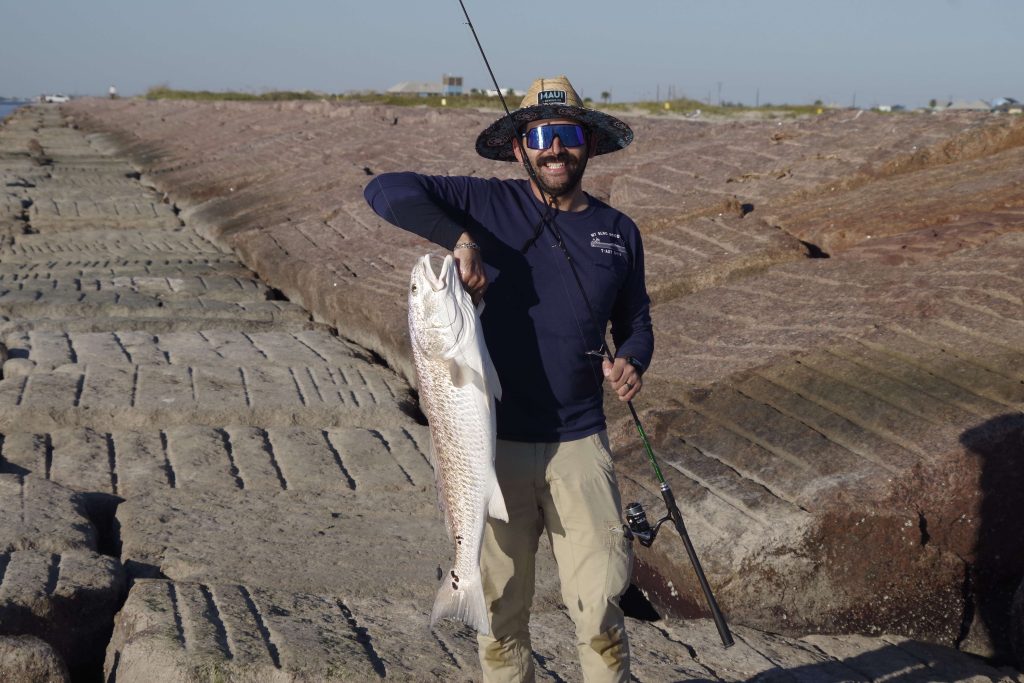
    For example, many anglers targeting redfish immediately jump to heavy-power rods when a medium-light or medium setup may actually cast better and feel more balanced for the techniques being used.

    Matching rod power to lure weight and fishing style is often more important than simply choosing the strongest rod possible.

    Ignoring Rod Action

    Many anglers confuse rod power and rod action, even though they affect completely different aspects of performance.

    Rod power describes how much force it takes to bend the rod. Rod action describes where the rod bends along the blank.

    A fast-action rod feels crisp and responsive, making it ideal for single-hook lures and techniques requiring quick hooksets. Moderate-action rods bend deeper into the blank and often cast treble-hook lures more smoothly.

    Choosing the wrong action can make a rod feel awkward, inaccurate, or poorly balanced even if the power itself is correct.

    Buying Based on Brand Alone

    Expensive or popular brands do not automatically guarantee the best rod for a specific application.

    Many anglers buy rods based entirely on logos, marketing, or online hype without considering how the rod actually fits their fishing style. A rod that works perfectly for one angler may feel completely wrong for another depending on lure choice, casting style, or target species.

    The best fishing rod is not always the most expensive one. It is the rod that properly matches the intended application.

    Overlooking Handle and Grip Design

    Handle design has a massive effect on how a rod feels during long days of fishing, yet many anglers barely pay attention to it.

    Grip material, grip length, reel seat placement, and overall balance all influence comfort and sensitivity. A rod that feels tip-heavy or uncomfortable in the hand can quickly become tiring, even if the blank itself performs well.

    This is one reason many custom rod builders place heavy emphasis on grip configuration and overall rod balance rather than focusing only on the blank.

    Buying a Rod That Does Too Much

    Many anglers search for a “do everything” rod capable of handling every lure and technique. While versatile rods exist, trying to cover too many applications with one setup usually means sacrificing performance somewhere else.

    A rod designed for throwing lightweight soft plastics may not perform nearly as well with heavier topwaters or live bait rigs. Likewise, a rod built for heavy jigging may feel terrible when throwing smaller finesse presentations.

    Purpose-built rods almost always perform better than overly generalized setups.

    Final Thoughts

    The wrong fishing rod can make even good equipment feel frustrating on the water. Many common rod problems come from mismatched power, incorrect action, poor balance, or trying to force one setup into every situation.

    Understanding how rod design affects performance helps anglers choose setups that cast better, feel more responsive, and ultimately make fishing more enjoyable.
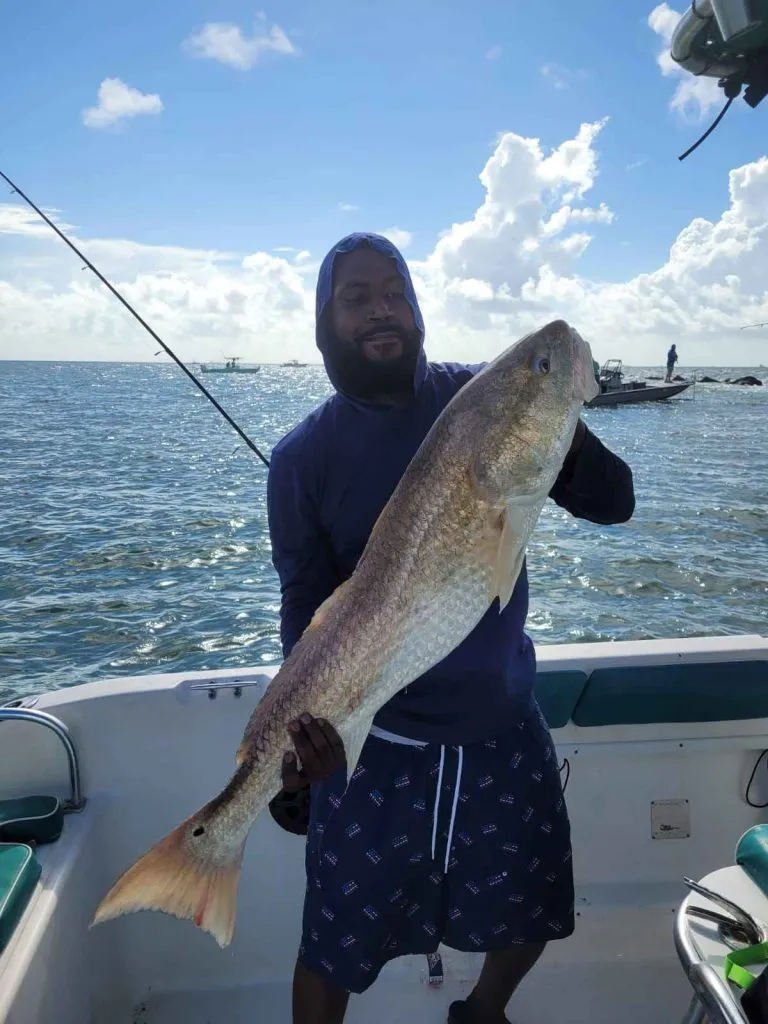
  • Best Fishing Rod for Inshore Fishing | Texas Coast

    Choosing the best fishing rod for inshore fishing isn’t about picking the most expensive option or following a generic recommendation. It’s about matching your rod to the conditions you actually fish and the species you target.

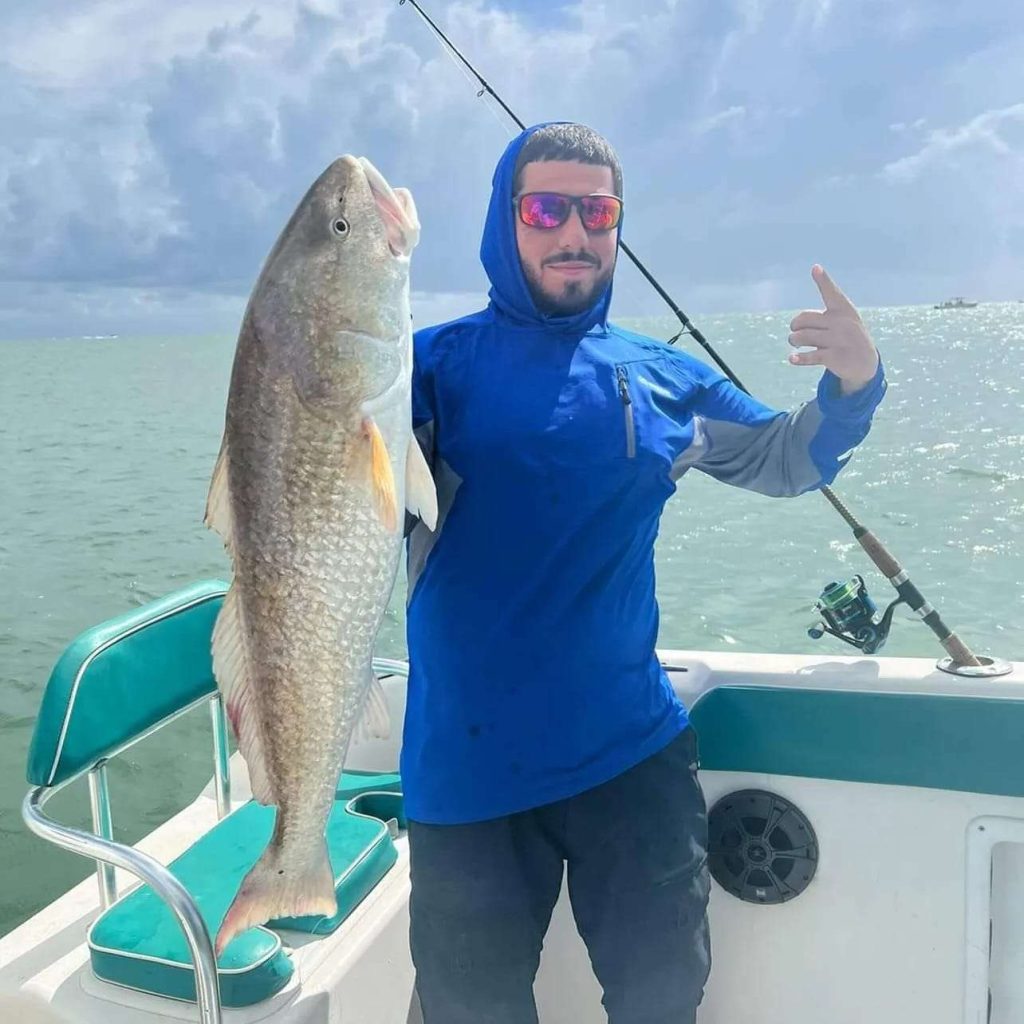
    On the Texas coast, that means dealing with wind, shallow water, structure, and fish like redfish, speckled trout, and flounder. A rod that works in one region may not perform the same here.

    The right setup makes a noticeable difference in casting, control, and how connected you feel to your lure.

    What Makes a Good Inshore Rod

    A good inshore rod needs to balance sensitivity with strength. You want to feel subtle bites and lure movement, but still have enough power to control fish around structure.

    Length plays a role in both casting distance and accuracy, while action determines how quickly the rod loads and recovers. Power affects how much pressure the rod can handle and what size fish it’s built for.

    If you’re not familiar with how these factors work together, it helps to understand rod power vs action explained before choosing a setup.

    Matching Your Rod to Texas Conditions

    Fishing the Texas coast is different from fishing open freshwater or offshore environments. Wind is a constant factor, and structure like jetties, grass lines, and oyster beds requires precision.

    A rod built for these conditions should cast cleanly into the wind, maintain sensitivity in moving water, and provide enough control to keep fish out of structure.

    If you’re fishing locally, you can also explore how these setups come together in our custom fishing rods in Houston, TX builds.

    Spinning vs Casting for Inshore Fishing

    Both spinning and casting setups have their place in inshore fishing. Spinning rods are often preferred for lighter lures and longer casts, especially in windy conditions. Casting rods offer more control and power when working heavier lures or fishing around structure.

    The choice depends on how you fish and what you’re comfortable with. If you’re unsure which direction to go, see our comparison of spinning vs casting rods to help you decide.

    Why Build Quality Matters

    Two rods with the same specs can perform very differently depending on how they’re built. Details like guide placement, balance, and spine alignment all affect how the rod behaves under load.

    A properly built rod feels smoother, casts more consistently, and stays stable when fighting fish. These are the kinds of differences that don’t always show up on a spec sheet but are obvious on the water.

    If you want to understand one of the most overlooked factors in rod performance, read more about what is the spine of a fishing rod.

    Choosing the Right Setup

    There isn’t a single “best” rod for inshore fishing. The right choice depends on how you fish, where you fish, and what you’re targeting.

    The goal is to build or choose a rod that feels natural in your hands and performs consistently in your environment. When everything is matched correctly, casting becomes easier, control improves, and fishing becomes more efficient.

    Start with the Right Rod

    If you’re looking for the best fishing rod for inshore fishing on the Texas coast, it starts with a setup built for your conditions.

    You can browse available builds or reach out to create a custom rod designed specifically for how you fish.

  • What Is the Best Rod for Inshore Fishing?

    Finding the best rod for inshore fishing can feel overwhelming. There are countless options, different opinions, and a lot of conflicting advice.

    The reality is that most inshore fishing setups fall within a fairly narrow range. Once you understand what actually matters, choosing the right rod becomes much simpler.

    The Short Answer

    For most inshore fishing situations:

    👉 A 7’ medium-heavy rod with a moderate-fast action is the most versatile choice

    This setup works well for redfish, trout, and a wide range of inshore conditions.

    Why There Is No Single “Best” Rod

    The idea of a single “best” rod is misleading because inshore fishing covers a wide range of environments.

    Fishing open flats is very different from fishing around docks or jetties. Lighter lures require a different feel than heavier setups. Smaller fish behave differently than larger, more aggressive ones.

    What you’re really choosing is a rod that matches how and where you fish.

    The Three Things That Matter Most

    When choosing a rod for inshore fishing, three factors matter more than anything else: power, action, and length.

    Power

    Rod power determines how much pressure you can apply to a fish. For inshore fishing, medium and medium-heavy rods are the most common.

    Medium rods are better for lighter setups and smaller fish, while medium-heavy rods give you more control, especially around structure or when targeting redfish.

    If you’re unsure how rod power works, it’s worth understanding how rod power vs action affects performance.

    Action

    Rod action controls where the rod bends and how it responds under load.

    A moderate-fast action is one of the most balanced choices for inshore fishing because it provides both flexibility and control. It allows the rod to absorb runs while still delivering solid hook sets.

    This balance becomes especially important when dealing with strong fish in changing conditions.

    Length

    Rod length affects casting distance, accuracy, and control.

    Most inshore rods fall between 6’6” and 7’6”, with 7’ being the most versatile option. It provides a balance between distance and accuracy without feeling too long or too short.

    Matching Your Rod to Real Conditions

    The best rod depends on where you fish and how you fish.

    In open water or on flats, lighter setups often perform well. A medium rod can provide better sensitivity and a smoother overall feel.

    Around structure such as docks, rocks, or jetties, a medium-heavy rod becomes more important. It gives you the ability to control fish before they reach cover, which can make the difference between landing a fish and losing it.

    If you fish a mix of environments, medium-heavy remains the safest and most versatile option.

    Spinning vs Casting Rods

    Another factor to consider is whether to use a spinning or casting setup.

    Spinning rods are easier to use and tend to perform better with lighter lures and in open water. Casting rods provide more control and are often preferred when fishing around structure or using heavier setups.

    If you’re unsure which is right for you, it helps to understand the differences between spinning vs casting rods for inshore fishing, especially as your fishing style develops.

    Common Mistakes When Choosing a Rod

    A lot of anglers run into the same issues when choosing an inshore rod.

    One of the most common mistakes is going too light. While lighter rods feel more sensitive, they can struggle to control fish in real conditions.

    Another mistake is going too heavy. This can reduce sensitivity and make casting less efficient, especially with lighter lures.

    There’s also a tendency to focus too much on brand or price. While those things matter, they don’t replace choosing the right power, action, and length for your fishing style.

    Why Build Quality Matters

    Once you have the right specifications, build quality becomes the next factor.

    A well-built rod will feel more balanced, more responsive, and more consistent under load. This comes from the quality of the blank, the components used, and how everything is put together.

    Blanks such as Batson Rainshadow are commonly used in inshore rods because they provide reliable strength and consistent performance, especially when paired with quality construction.

    Final Thoughts

    The best rod for inshore fishing isn’t about finding the most expensive option or the most popular brand. It’s about finding a setup that works in real conditions.

    For most anglers, that comes down to:

    👉 A 7’ medium-heavy rod with a moderate-fast action

    It’s a setup that balances sensitivity, control, and versatility, making it one of the most reliable choices for inshore fishing.

    Looking for an Inshore Rod?

    If you’re looking for a rod built with real-world performance in mind, designed to handle inshore conditions without compromise:

  • What Power Rod for Redfish?

    What Power Rod for Redfish?

    Choosing the right rod power for redfish seems simple—but it’s one of the most misunderstood parts of inshore fishing.

    A lot of anglers either go too light or too heavy, and both can cost you fish.

    This guide breaks down what actually works—and the common mistakes to avoid

    What Power Rod for Redfish? (Common Mistakes and What Actually Works)

    Choosing the right rod power for redfish is one of the most important decisions you can make for inshore fishing, but it’s also one of the most misunderstood.

    A lot of anglers focus on brand names, price, or what someone else recommends, without really understanding how rod power affects performance. The result is usually the same—either a rod that feels great but struggles when it matters, or one that feels overly stiff and takes the enjoyment out of fishing.

    The reality is that redfish demand a specific balance of power, control, and flexibility. Getting that balance right makes a noticeable difference on the water.

    The Short Answer

    For most inshore situations:

    👉 A medium-heavy power rod is the best choice for redfish

    It provides the right combination of strength, control, and versatility to handle a wide range of conditions.

    What “Rod Power” Actually Means

    Rod power refers to how much force it takes to bend the rod. It determines how much pressure you can apply to a fish and how the rod performs under load.

    Most rods fall into general categories such as light, medium, medium-heavy, and heavy, but those labels only tell part of the story. Power also dictates what line and lure weights the rod is designed to handle, which directly affects casting and overall performance.

    If you’ve ever used a rod that felt “too soft” or “too stiff,” you were feeling the effects of incorrect power for the situation.

    If you’re unsure how rod power differs from action and how they work together, read our full guide on rod power vs action:

    Common Misconception #1 – “Redfish Aren’t That Strong”

    One of the biggest mistakes anglers make is underestimating redfish.

    Redfish are not just strong, they are unpredictable. They make sudden runs, change direction quickly, and will often head straight toward structure the moment they’re hooked. Even smaller fish can put surprising pressure on your gear.

    Using a rod that’s too light might feel fun at first, but it limits your ability to control the fish. Once a redfish turns toward rocks, docks, or heavy current, that lack of control becomes a real problem.

    This is why medium-heavy rods are so commonly recommended—they give you the backbone needed to stay in control when it matters.

    Common Misconception #2 – “Lighter Rods Mean Better Fishing”

    There’s a belief that lighter rods are always better because they’re more sensitive and more fun to use.

    While that can be true in certain situations, it doesn’t apply across the board.

    A medium-light rod can work well in open water with smaller redfish and lighter lures. You’ll get great feedback, and the fight will feel more dynamic. But that same rod quickly becomes a liability around structure or when targeting larger fish.

    The problem isn’t sensitivity—it’s control. Without enough power, you’re relying more on your line and drag than your rod, which increases the chances of losing fish.

    Common Misconception #3 – “Heavier Is Always Safer”

    On the opposite end, some anglers go too heavy thinking it will solve the problem.

    A heavy rod does provide more strength, but it comes with trade-offs that are often overlooked.

    Heavier rods can reduce sensitivity, making it harder to detect subtle bites. They can also make casting lighter lures more difficult and less accurate. In some cases, they even increase the chance of pulling hooks, especially when using certain lure types.

    The goal isn’t to use the strongest rod possible—it’s to use the one that gives you the best balance of strength and performance.

    What Actually Works for Redfish

    A medium-heavy rod paired with a moderate-fast action hits the balance that most inshore anglers are looking for.

    This setup allows you to:

    • Apply enough pressure to control fish near structure
    • Maintain sensitivity for detecting bites
    • Absorb sudden runs without pulling hooks

    It’s versatile enough to handle different lure types, different conditions, and a wide range of fish sizes.

    For most anglers, this becomes the “go-to” setup because it performs consistently across situations.

    When a Medium Power Rod Makes Sense

    There are situations where stepping down to a medium power rod is the right move.

    In open flats with minimal structure, a medium rod can provide a better overall experience. It allows for lighter presentations, smoother casting, and increased sensitivity.

    However, the trade-off is reduced control. Once you introduce structure, current, or larger fish, that limitation becomes more noticeable.

    Medium rods work best when conditions are controlled and predictable.

    Matching Rod Power to Your Environment

    Where you fish plays a major role in what rod power you should choose.

    In areas with heavy structure such as jetties, docks, or rocks, medium-heavy rods give you the stopping power needed to keep fish from breaking you off.

    In open water or flats, medium rods can work well, especially when targeting smaller fish or using lighter lures.

    If you fish a mix of environments, medium-heavy remains the safest and most versatile option.

    Why Rod Power Matters More Than Brand

    It’s easy to get caught up in brand names, but rod power has a much bigger impact on performance.

    A high-end rod with the wrong power will still perform poorly in the wrong conditions. On the other hand, a properly matched rod will feel more controlled, more responsive, and more effective overall.

    Power is one of the few factors that directly affects every part of your fishing experience—from casting to hook setting to fighting fish.

    The Role of Build Quality

    While power is critical, how that power is applied matters just as much.

    A well-built rod uses components and construction methods that allow the blank to perform as intended. This includes proper guide placement, clean wraps, and a balanced overall design.

    Blanks such as Batson Rainshadow are commonly used in inshore rods because they provide consistent strength and performance under load, especially when paired with quality components.

    Final Thoughts

    Choosing the right rod power for redfish isn’t about going as light as possible or as heavy as possible—it’s about finding the balance that works in real conditions.

    For most anglers, that balance comes down to:

    👉 A medium-heavy rod with a moderate-fast action

    It offers the control, versatility, and performance needed to handle redfish in a wide range of environments without sacrificing sensitivity or casting ability.

    Looking for a Redfish Rod?

    If you’re looking for a rod built with the right balance of power and performance for inshore fishing: