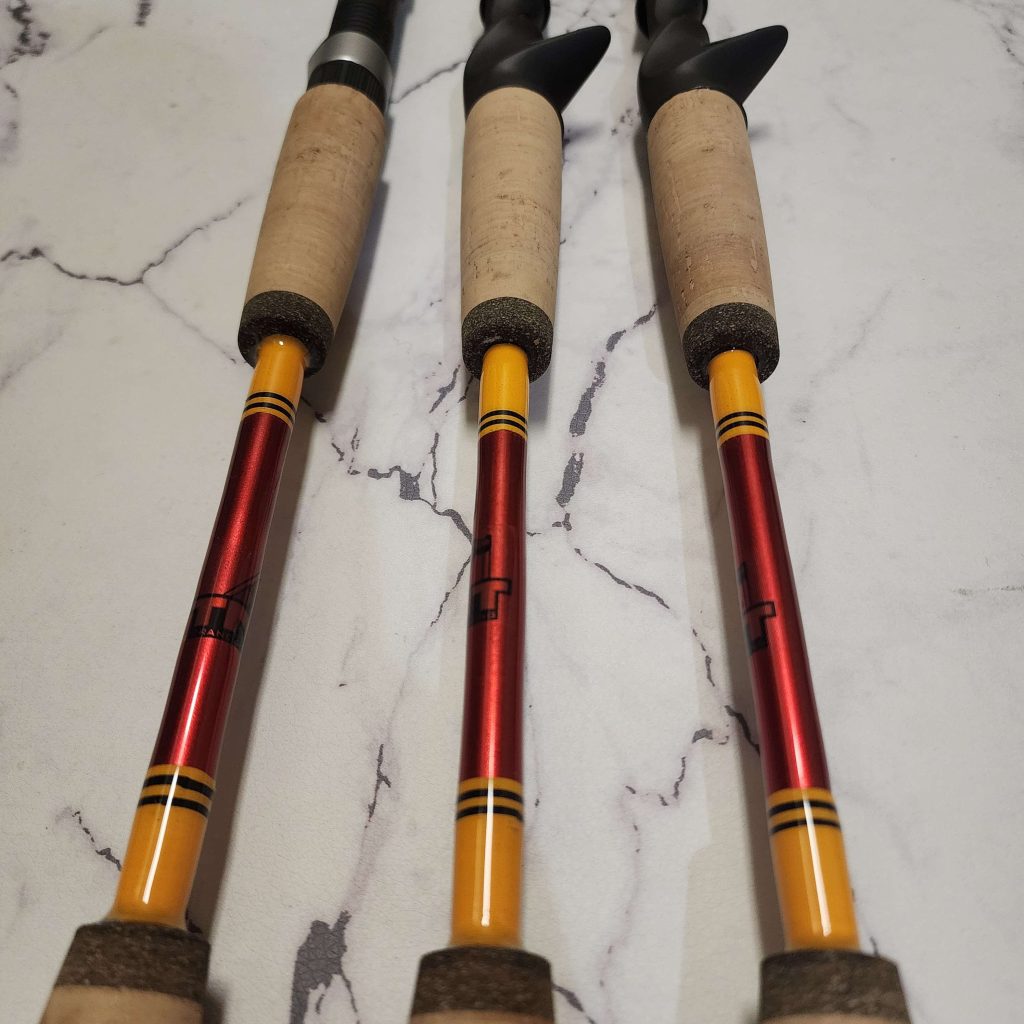
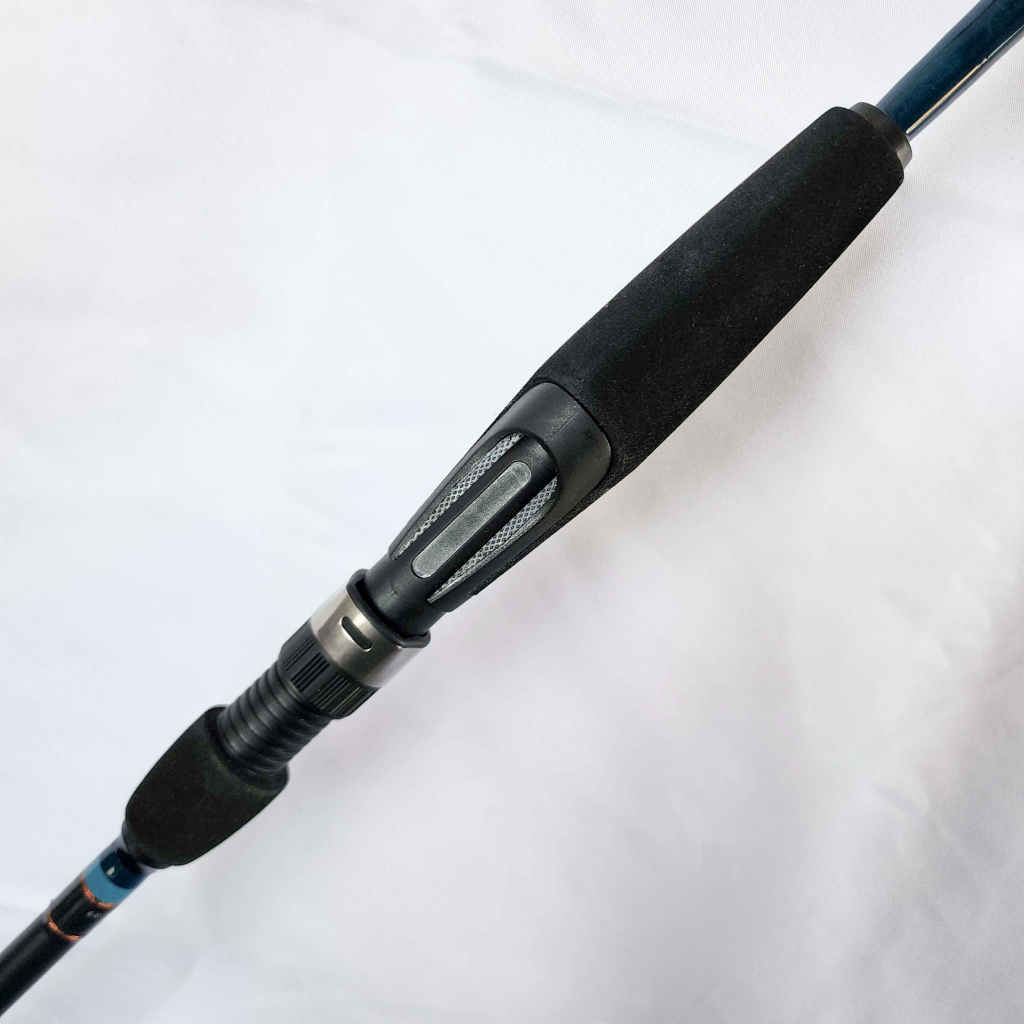
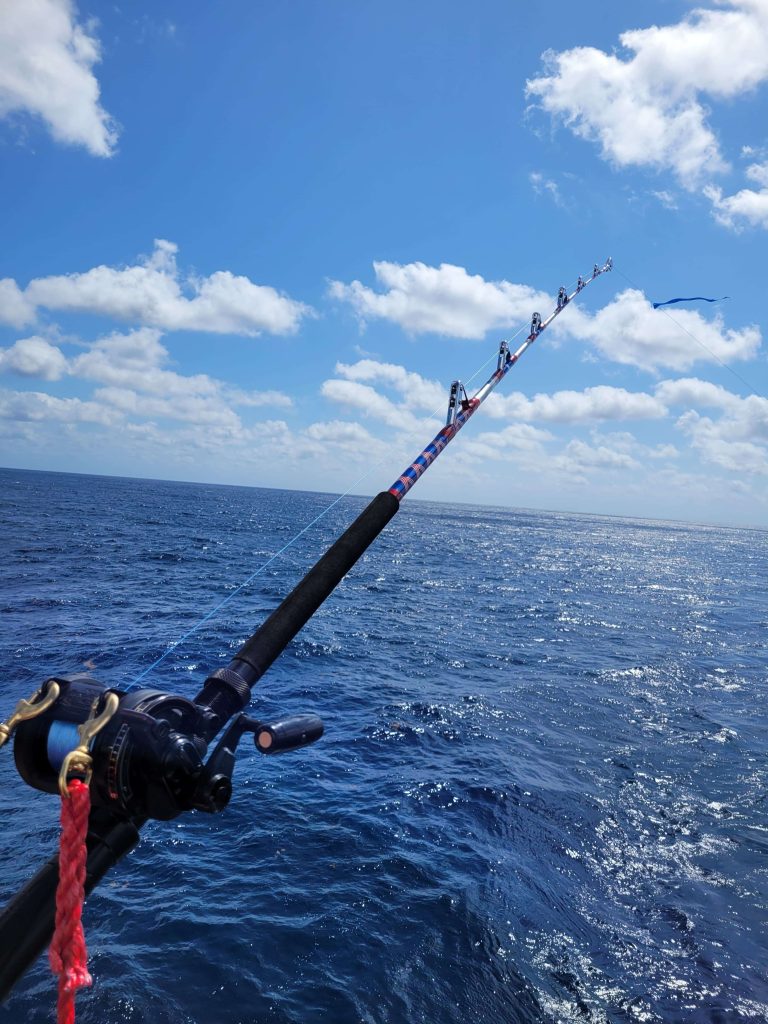
Choosing the right fishing rod grip can completely change how a rod feels on the water. Two of the most popular handle materials used on modern fishing rods are cork and carbon fiber. Both offer unique advantages, but they perform very differently depending on fishing style, environment, and personal preference.
For many anglers, the choice comes down to feel, sensitivity, durability, and aesthetics.
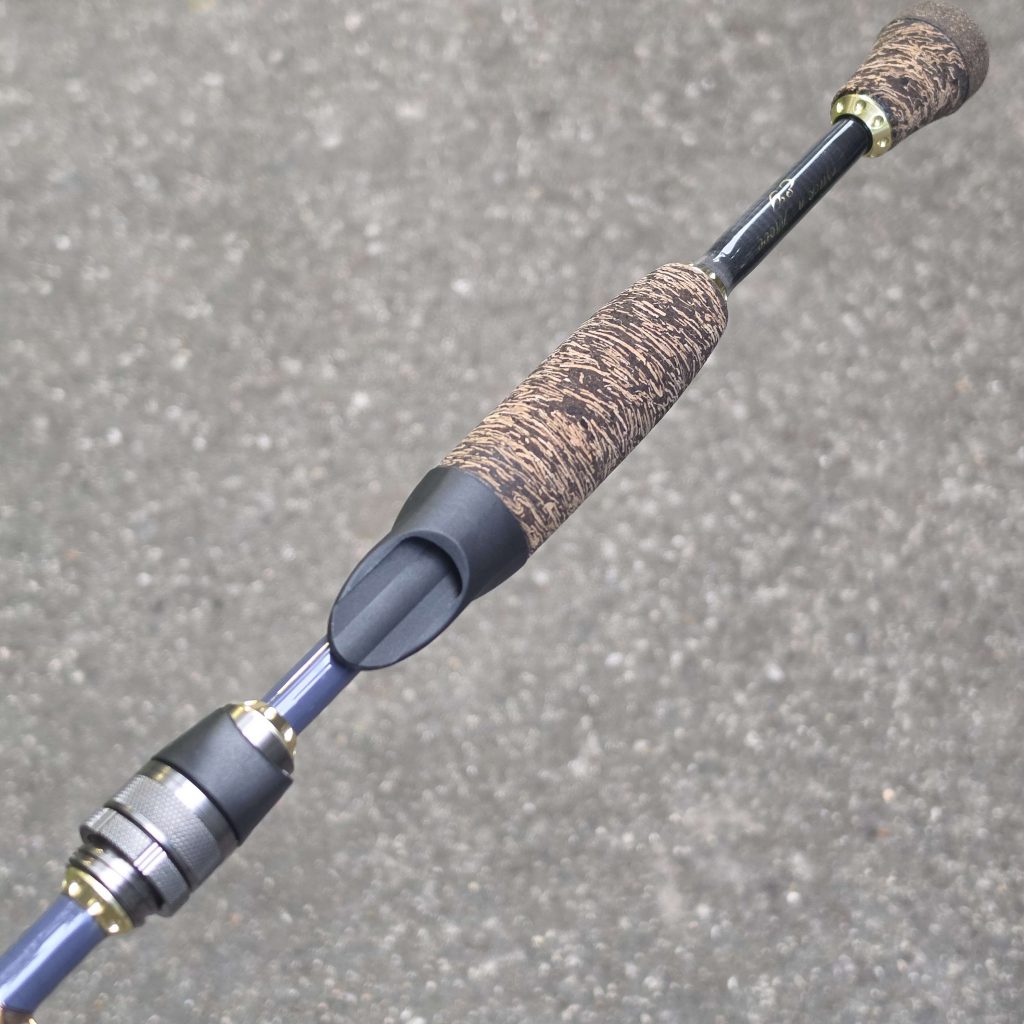
What Are Cork Fishing Rod Grips?
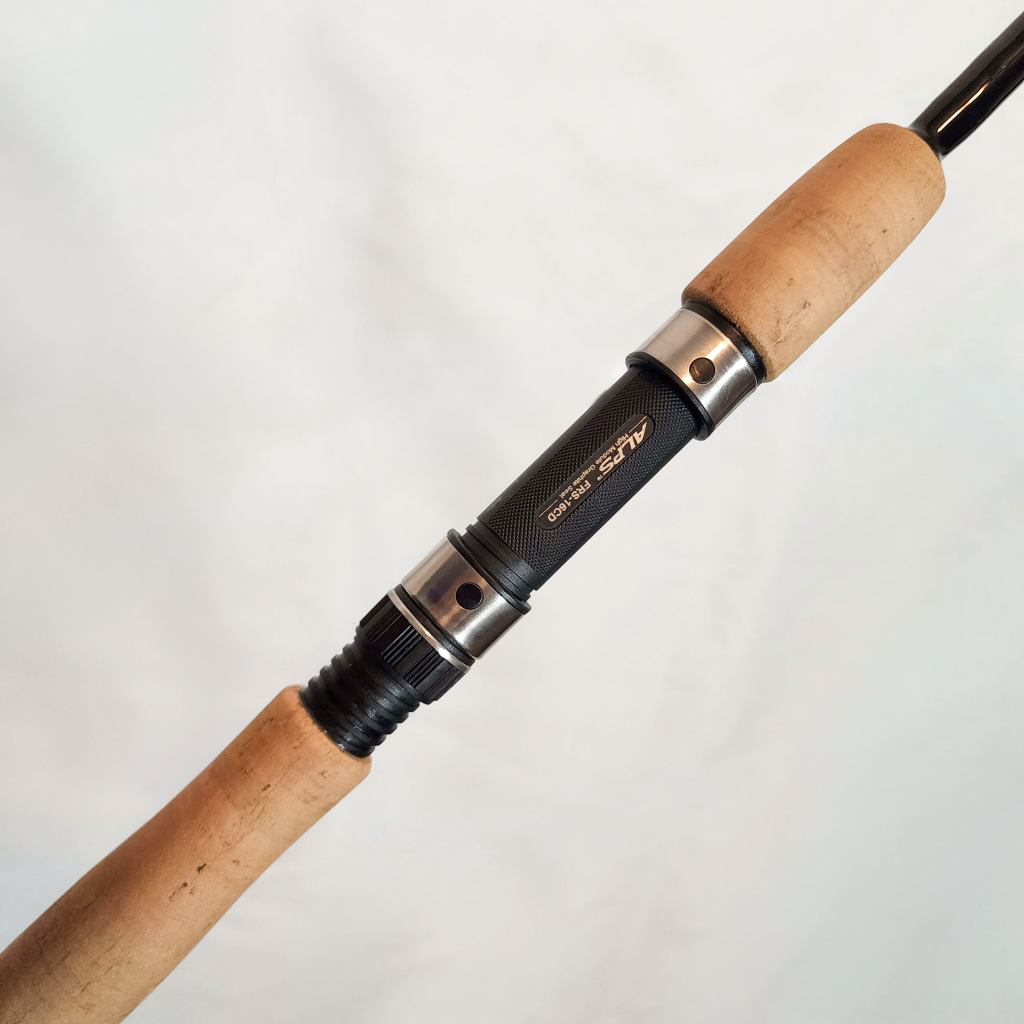
Cork has been used on fishing rods for generations and remains one of the most recognizable grip materials in fishing. It is lightweight, naturally textured, and known for its comfortable feel in the hand.
Many anglers prefer cork because it feels warm and natural while fishing. High-quality cork also provides excellent sensitivity, allowing vibrations from lure movement, structure, and subtle bites to transfer through the rod effectively. This is one reason cork remains popular on freshwater rods, finesse setups, fly rods, and traditional custom builds.
Cork also has a timeless appearance that many anglers associate with premium fishing rods and classic craftsmanship.
What Are Carbon Fiber Fishing Rod Grips?
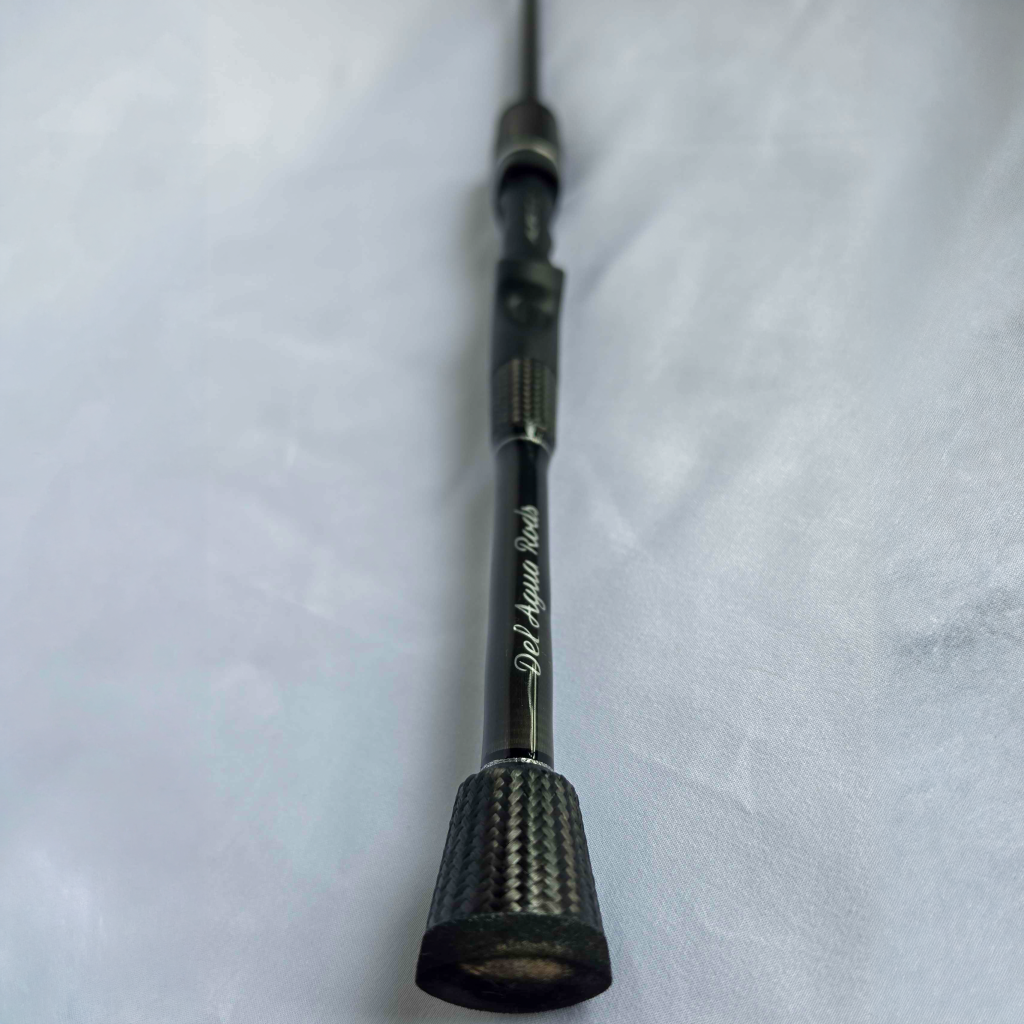
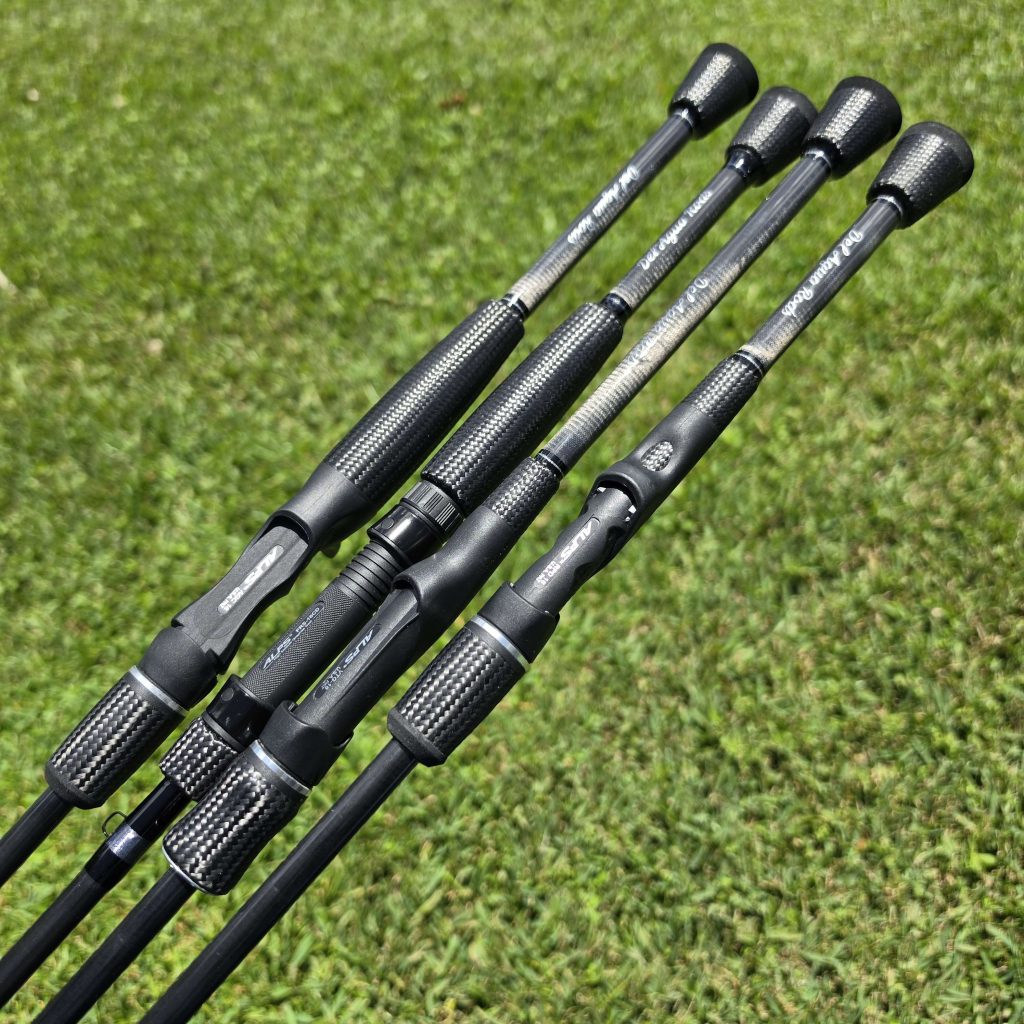
Carbon fiber grips are a newer and increasingly popular option found on many modern custom fishing rods. Unlike cork, carbon fiber uses rigid composite materials designed to maximize durability and responsiveness.
Many anglers describe carbon fiber grips as feeling more direct and connected to the rod blank. Because the material is rigid and does not compress as much as cork, vibrations transfer more sharply into the hand. This can make the rod feel extremely responsive when fishing artificial lures or working bottom-contact presentations.
Carbon fiber grips are especially common on inshore rods, BFS setups, travel rods, and minimalist custom builds where weight reduction and modern styling are priorities.
Sensitivity Differences
Sensitivity is one of the biggest reasons anglers compare cork and carbon fiber grips.
Carbon fiber grips are generally considered slightly more sensitive because of their rigid construction. The material transmits vibration very efficiently, allowing anglers to feel subtle changes in lure action, bottom composition, and light strikes more clearly.
This can be especially useful when fishing soft plastics, jigs, or finesse techniques where detecting small bites matters.
Cork remains highly sensitive as well, particularly high-grade cork, but it often provides a slightly softer and more muted feel compared to carbon fiber. Some anglers actually prefer this because it creates a more comfortable overall fishing experience during long sessions.
In practical use, both materials perform very well, and the difference is often more noticeable to experienced anglers.
Durability and Maintenance
Durability is one area where carbon fiber grips have a major advantage.
Cork can chip, crack, stain, or wear down over time, especially when exposed to saltwater, heavy use, or rough transport conditions. Lower-quality cork may also develop pits and filler gaps as it ages.
Carbon fiber grips are highly resistant to water, fish slime, UV exposure, and physical wear. They require very little maintenance beyond occasional cleaning and tend to hold their appearance much longer than cork in harsh fishing environments.
For anglers who fish frequently in saltwater or travel often with their gear, carbon fiber grips are usually the more durable option.
Comfort on the Water
Comfort is highly subjective and often comes down to personal preference.
Many anglers enjoy the softer, warmer feel of cork, especially during colder weather or all-day fishing trips. Cork has a natural texture that many people find comfortable and easy to grip even when wet.
Carbon fiber grips feel firmer and more rigid in the hand. Some anglers prefer this direct feel because it increases the sense of connection to the rod blank, while others prefer the cushioning effect of cork during long fights or repetitive casting.
Neither option is universally more comfortable. The best choice depends on what feels right to the individual angler.
Appearance and Style
Cork and carbon fiber create completely different visual styles on a fishing rod.
Cork offers a traditional appearance that pairs extremely well with decorative wraps, classic guide layouts, and old-school custom rod designs. It has remained popular for decades because of its timeless look.
Carbon fiber grips provide a cleaner and more modern appearance. They are often used on sleek blacked-out builds, minimalist inshore rods, and performance-focused custom setups where a contemporary style is preferred.
For many anglers, grip material is just as much about aesthetics as it is about performance.
Which Fishing Rod Grip Is Better?
Neither cork nor carbon fiber is objectively better for every application.
Anglers who value a traditional feel, classic appearance, and natural comfort often prefer cork grips. Anglers prioritizing durability, low maintenance, maximum responsiveness, and modern styling often lean toward carbon fiber.
Both materials perform extremely well when matched with the right rod design and fishing style.
Still deciding between traditional and modern grip materials? Our EVA vs Cork Fishing Rod Grips guide breaks down comfort, durability, and why many anglers still prefer EVA for heavy-use fishing setups.
Final Thoughts
The debate between carbon fiber grips and cork fishing rod handles ultimately comes down to personal preference and intended use. Cork remains a proven classic with a warm, comfortable feel and timeless appearance, while carbon fiber continues to grow in popularity because of its durability, sensitivity, and modern performance characteristics.
Many anglers eventually appreciate both materials for different applications, which is why custom rod builders frequently offer each option depending on how the rod will be used.