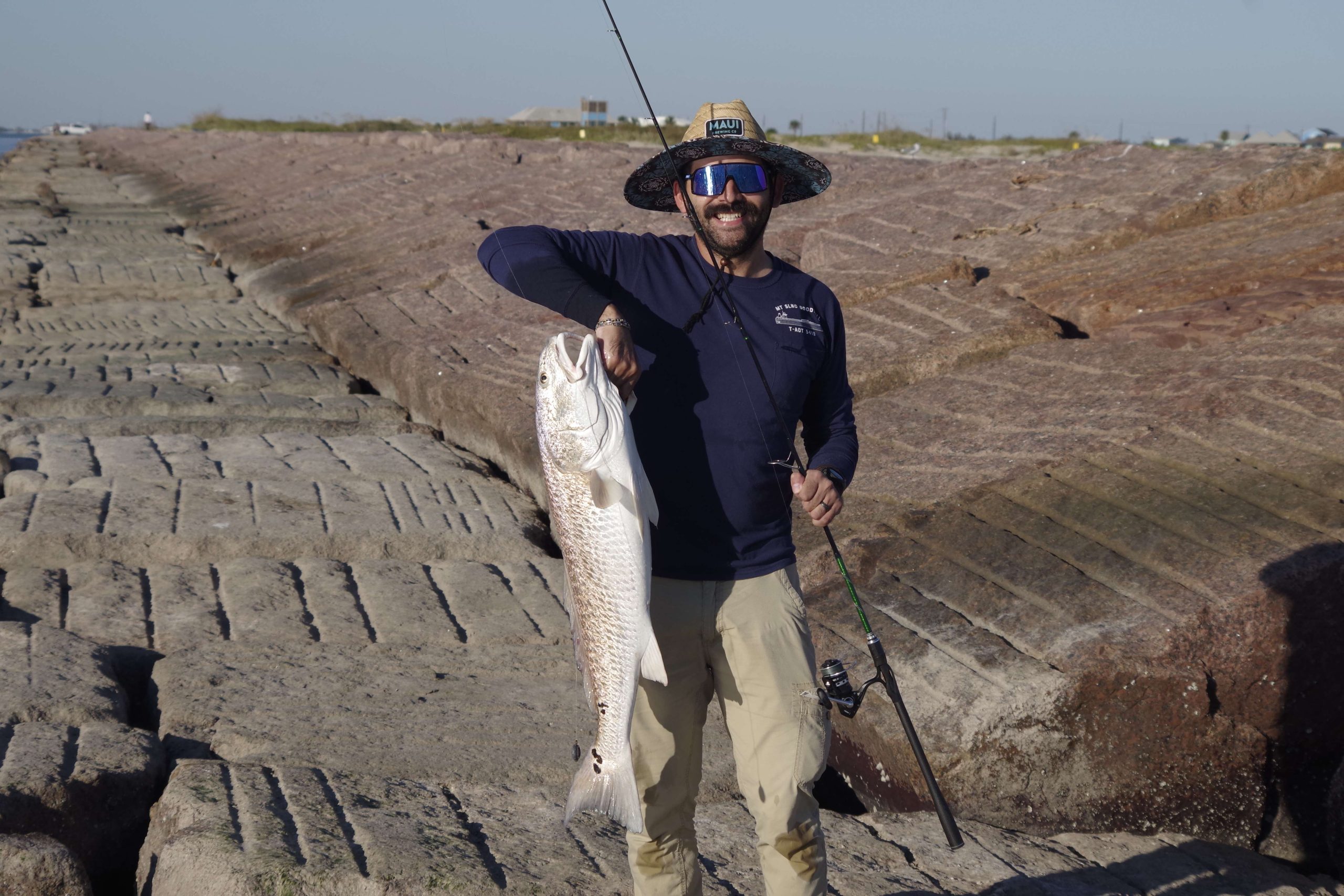
Choosing the right rod power for redfish seems simple—but it’s one of the most misunderstood parts of inshore fishing.
A lot of anglers either go too light or too heavy, and both can cost you fish.
This guide breaks down what actually works—and the common mistakes to avoid
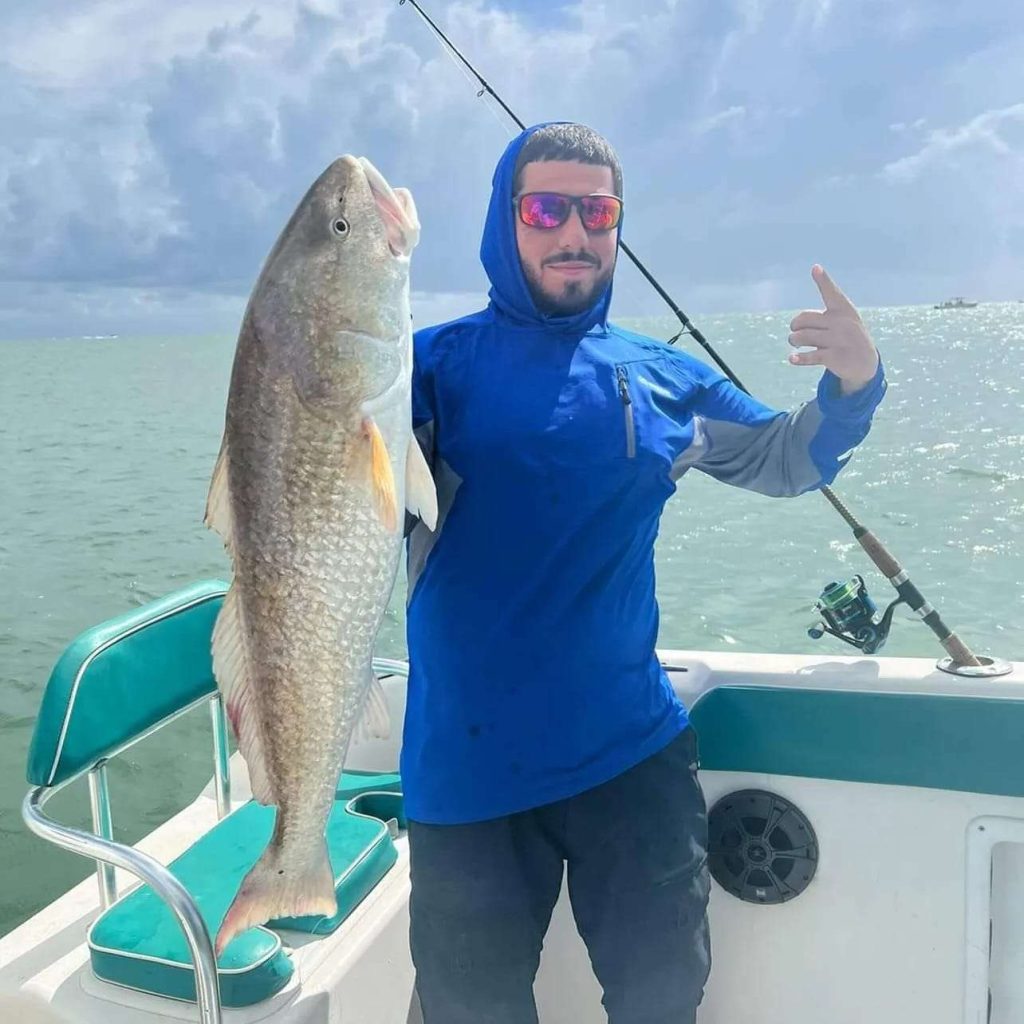
What Power Rod for Redfish? (Common Mistakes and What Actually Works)
Choosing the right rod power for redfish is one of the most important decisions you can make for inshore fishing, but it’s also one of the most misunderstood.
A lot of anglers focus on brand names, price, or what someone else recommends, without really understanding how rod power affects performance. The result is usually the same—either a rod that feels great but struggles when it matters, or one that feels overly stiff and takes the enjoyment out of fishing.
The reality is that redfish demand a specific balance of power, control, and flexibility. Getting that balance right makes a noticeable difference on the water.
The Short Answer
For most inshore situations:
👉 A medium-heavy power rod is the best choice for redfish
It provides the right combination of strength, control, and versatility to handle a wide range of conditions.
What “Rod Power” Actually Means
Rod power refers to how much force it takes to bend the rod. It determines how much pressure you can apply to a fish and how the rod performs under load.
Most rods fall into general categories such as light, medium, medium-heavy, and heavy, but those labels only tell part of the story. Power also dictates what line and lure weights the rod is designed to handle, which directly affects casting and overall performance.
If you’ve ever used a rod that felt “too soft” or “too stiff,” you were feeling the effects of incorrect power for the situation.
If you’re unsure how rod power differs from action and how they work together, read our full guide on rod power vs action:
Common Misconception #1 – “Redfish Aren’t That Strong”
One of the biggest mistakes anglers make is underestimating redfish.
Redfish are not just strong, they are unpredictable. They make sudden runs, change direction quickly, and will often head straight toward structure the moment they’re hooked. Even smaller fish can put surprising pressure on your gear.
Using a rod that’s too light might feel fun at first, but it limits your ability to control the fish. Once a redfish turns toward rocks, docks, or heavy current, that lack of control becomes a real problem.
This is why medium-heavy rods are so commonly recommended—they give you the backbone needed to stay in control when it matters.
Common Misconception #2 – “Lighter Rods Mean Better Fishing”
There’s a belief that lighter rods are always better because they’re more sensitive and more fun to use.
While that can be true in certain situations, it doesn’t apply across the board.
A medium-light rod can work well in open water with smaller redfish and lighter lures. You’ll get great feedback, and the fight will feel more dynamic. But that same rod quickly becomes a liability around structure or when targeting larger fish.
The problem isn’t sensitivity—it’s control. Without enough power, you’re relying more on your line and drag than your rod, which increases the chances of losing fish.
Common Misconception #3 – “Heavier Is Always Safer”
On the opposite end, some anglers go too heavy thinking it will solve the problem.
A heavy rod does provide more strength, but it comes with trade-offs that are often overlooked.
Heavier rods can reduce sensitivity, making it harder to detect subtle bites. They can also make casting lighter lures more difficult and less accurate. In some cases, they even increase the chance of pulling hooks, especially when using certain lure types.
The goal isn’t to use the strongest rod possible—it’s to use the one that gives you the best balance of strength and performance.
What Actually Works for Redfish
A medium-heavy rod paired with a moderate-fast action hits the balance that most inshore anglers are looking for.
This setup allows you to:
- Apply enough pressure to control fish near structure
- Maintain sensitivity for detecting bites
- Absorb sudden runs without pulling hooks
It’s versatile enough to handle different lure types, different conditions, and a wide range of fish sizes.
For most anglers, this becomes the “go-to” setup because it performs consistently across situations.
When a Medium Power Rod Makes Sense
There are situations where stepping down to a medium power rod is the right move.
In open flats with minimal structure, a medium rod can provide a better overall experience. It allows for lighter presentations, smoother casting, and increased sensitivity.
However, the trade-off is reduced control. Once you introduce structure, current, or larger fish, that limitation becomes more noticeable.
Medium rods work best when conditions are controlled and predictable.
Matching Rod Power to Your Environment
Where you fish plays a major role in what rod power you should choose.
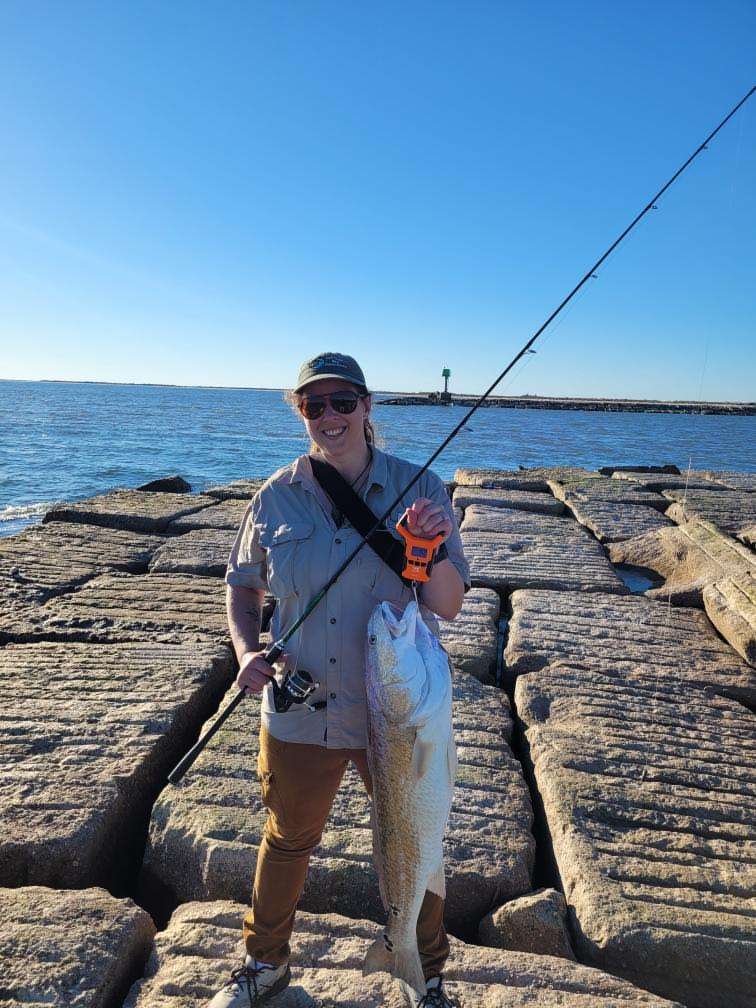
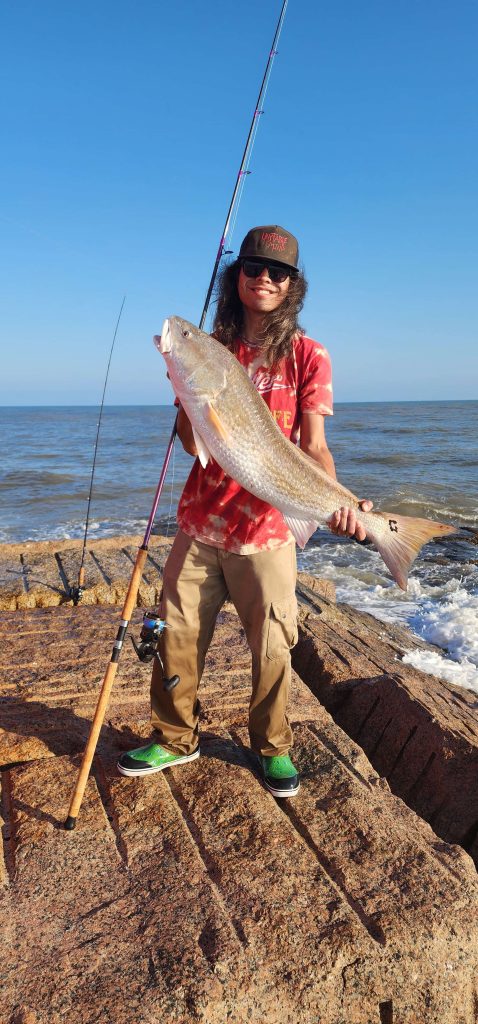
In areas with heavy structure such as jetties, docks, or rocks, medium-heavy rods give you the stopping power needed to keep fish from breaking you off.
In open water or flats, medium rods can work well, especially when targeting smaller fish or using lighter lures.
If you fish a mix of environments, medium-heavy remains the safest and most versatile option.
Why Rod Power Matters More Than Brand
It’s easy to get caught up in brand names, but rod power has a much bigger impact on performance.
A high-end rod with the wrong power will still perform poorly in the wrong conditions. On the other hand, a properly matched rod will feel more controlled, more responsive, and more effective overall.
Power is one of the few factors that directly affects every part of your fishing experience—from casting to hook setting to fighting fish.
The Role of Build Quality
While power is critical, how that power is applied matters just as much.
A well-built rod uses components and construction methods that allow the blank to perform as intended. This includes proper guide placement, clean wraps, and a balanced overall design.
Blanks such as Batson Rainshadow are commonly used in inshore rods because they provide consistent strength and performance under load, especially when paired with quality components.
Final Thoughts
Choosing the right rod power for redfish isn’t about going as light as possible or as heavy as possible—it’s about finding the balance that works in real conditions.
For most anglers, that balance comes down to:
👉 A medium-heavy rod with a moderate-fast action
It offers the control, versatility, and performance needed to handle redfish in a wide range of environments without sacrificing sensitivity or casting ability.
Looking for a Redfish Rod?
If you’re looking for a rod built with the right balance of power and performance for inshore fishing: