Fishing rod guides do far more than simply hold fishing line away from the blank. The style, height, material, and frame design of a guide all affect how a rod casts, handles pressure, balances, and performs on the water.
Whether building a custom fishing rod or upgrading an existing setup, understanding guide styles can help anglers choose the right configuration for their fishing style.
What Do Rod Guides Actually Do?
Fishing rod guides control the flow of line from the reel through the rod during casting, retrieving, and fighting fish. While they may seem like simple components, guide placement and design have a major impact on how a rod performs on the water. The guide layout directly affects casting distance, line slap, sensitivity, rod balance, line management, and long-term durability. Even relatively small differences in guide style can noticeably change how a fishing rod feels and performs.
Common Fishing Rod Guide Styles
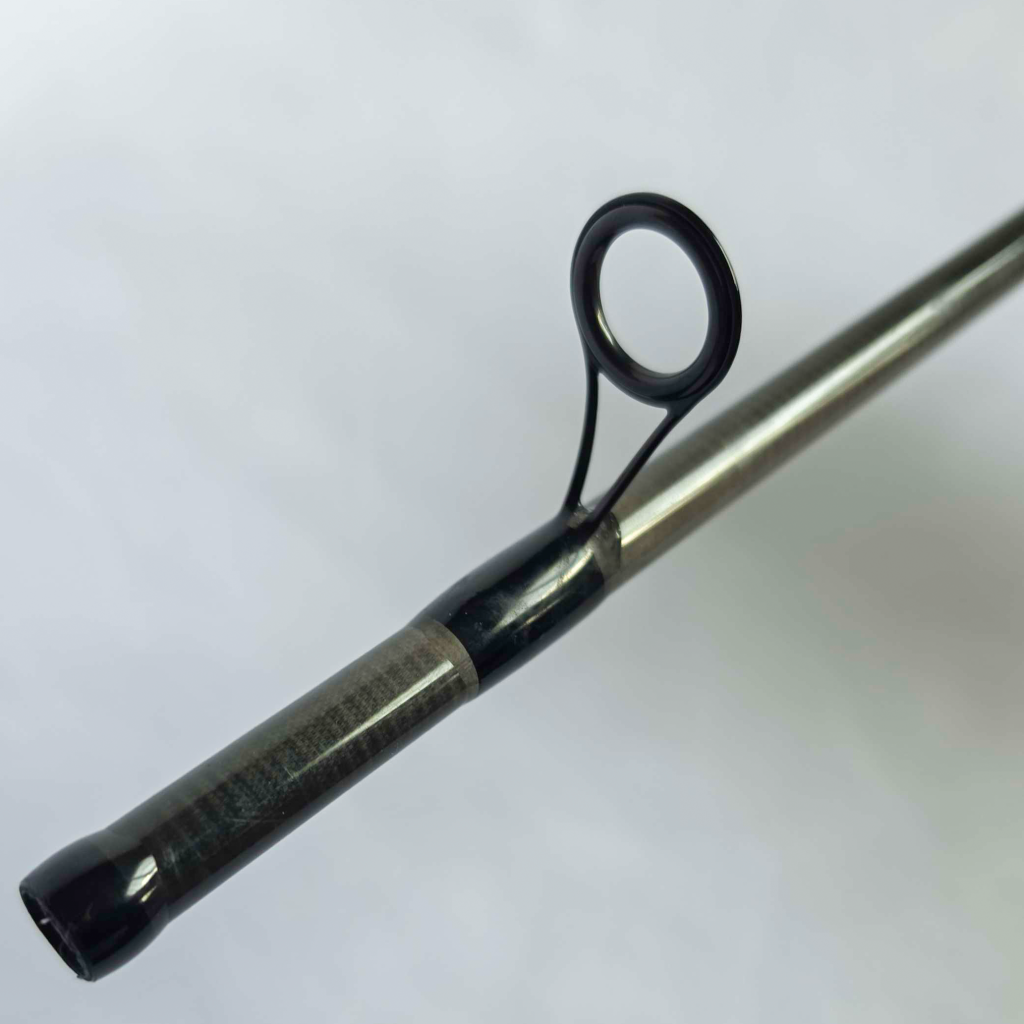
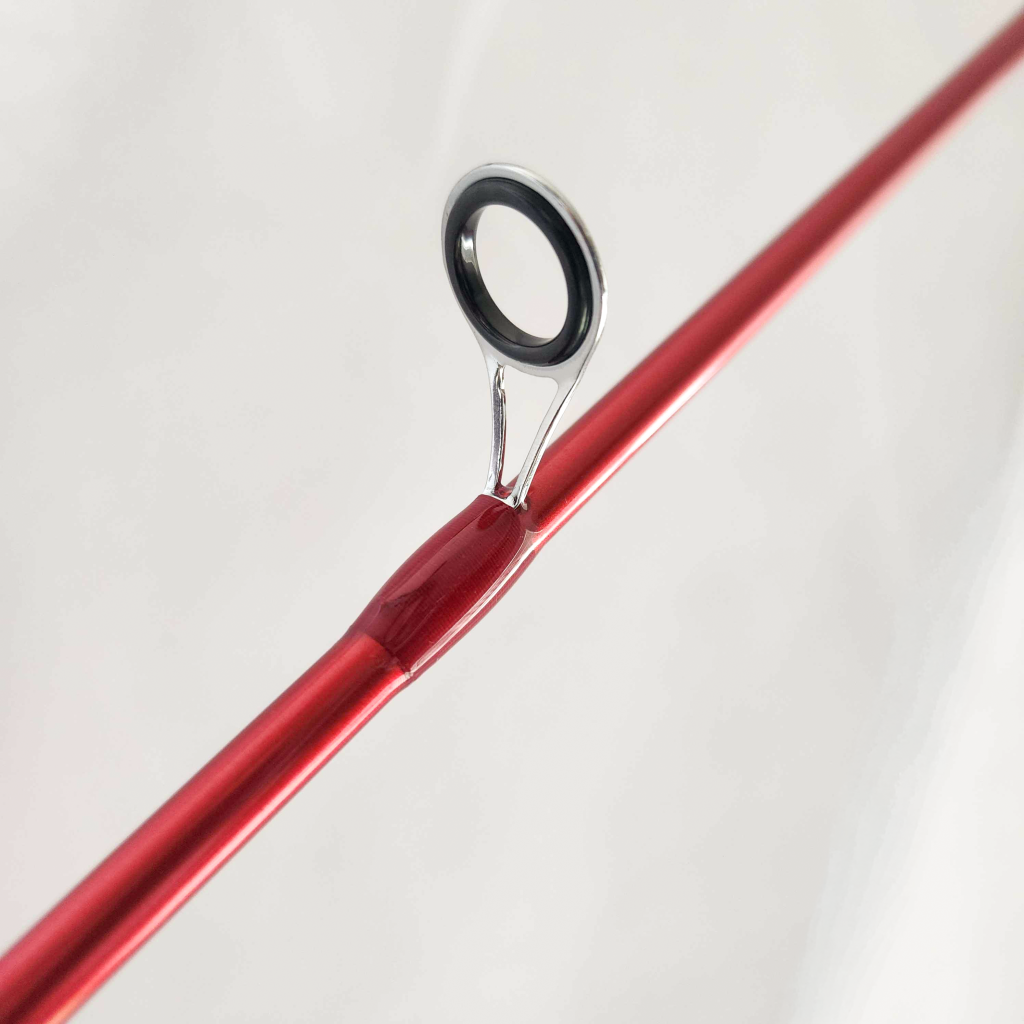
Single Foot Guides
Single foot guides use one attachment point to secure the guide to the rod blank. Because they use less material, they help reduce overall rod weight and can increase sensitivity by allowing the blank to remain more responsive. These guides are extremely common on freshwater and inshore rods where lightweight performance and sensitivity are prioritized. Single foot guides are often found on bass rods, trout rods, finesse setups, and lighter inshore applications.
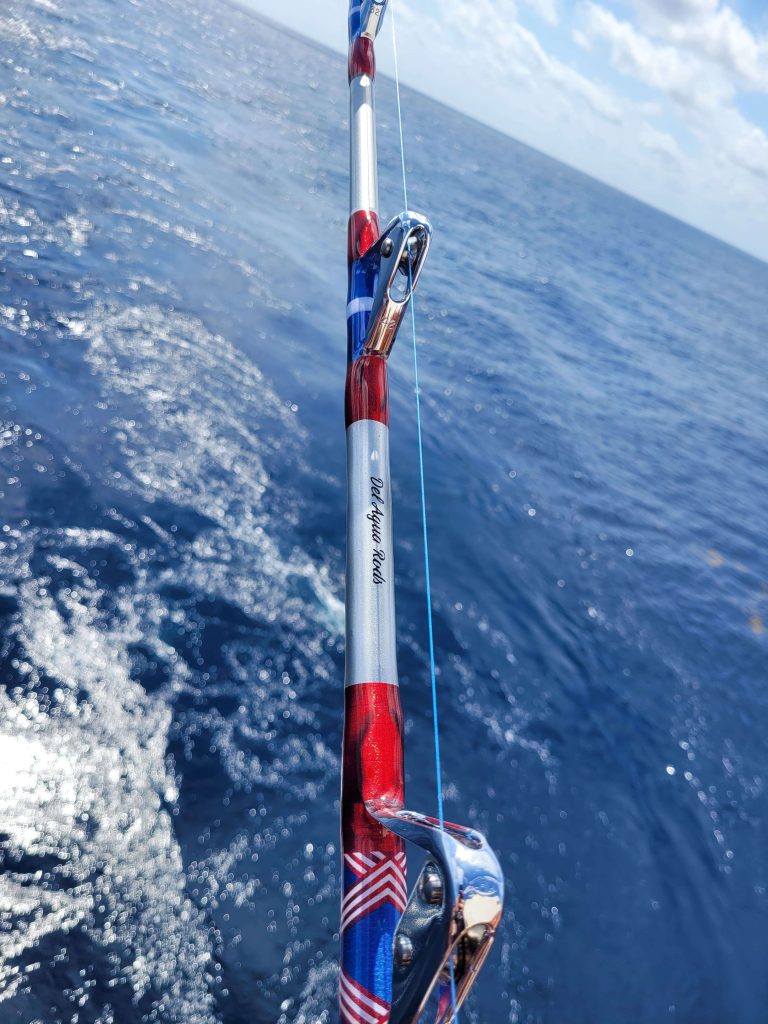
Double Foot Guides
Double foot guides use two attachment points for increased strength and support. This additional reinforcement helps the guide handle heavier drag pressures and larger fish while improving long-term durability. Double foot guides are commonly used on offshore rods, surf rods, heavy casting setups, and big game applications where strength matters more than minimizing weight.
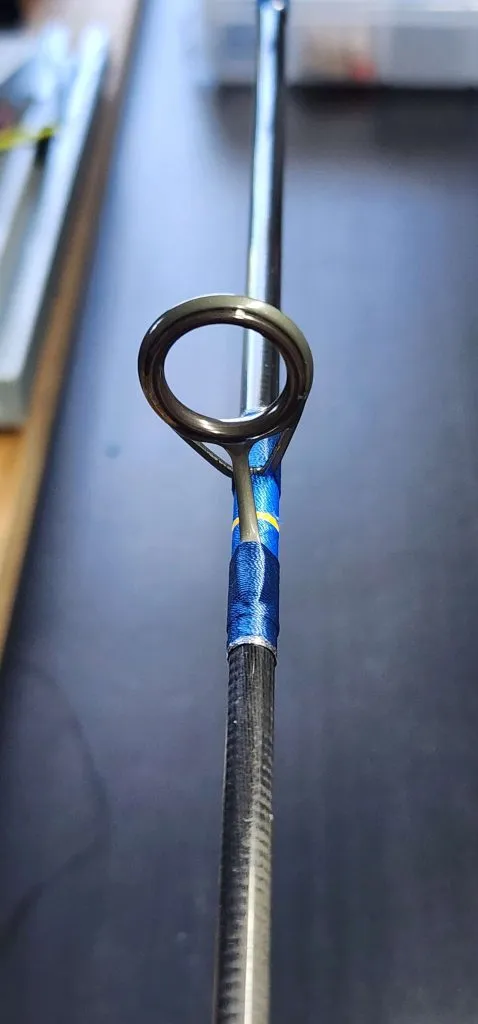
High Frame Guides
High frame guides sit taller above the rod blank and help manage line flow earlier in the guide train. This design is especially important on spinning rods using braided line, where line can otherwise slap against the blank during casting. High frame guides help reduce line slap, improve braid management, and create smoother casting performance. They are commonly used on modern spinning rod layouts designed for inshore and freshwater fishing.
Micro Guides
Micro guides use extremely small guide rings to reduce guide train weight and increase blank responsiveness. Because less weight is added to the rod, many anglers feel micro guides improve sensitivity and overall responsiveness. However, micro guides can also create challenges. They may struggle with larger leader knots, ice up faster in cold weather, and require more careful setup to perform correctly. Micro guide systems are most common on specialized bass and finesse rods.
Guide Materials Matter Too
Guide performance depends not only on guide style, but also on the materials used in the frame and insert. Common insert materials include aluminum oxide, zirconia, and silicon carbide (SiC), each offering different levels of durability, smoothness, and heat resistance. In saltwater environments, corrosion resistance often becomes one of the most important considerations, leading many anglers to prioritize durable frame materials and protective coatings over ultra-lightweight setups.
Why Guide Selection Changes Rod Performance
The wrong guide setup can negatively affect nearly every aspect of rod performance. Poor guide layouts may cause excess line friction, reduced casting efficiency, tip heaviness, reduced sensitivity, and increased line wear. A properly designed guide train allows the rod to load efficiently, cast smoothly, and distribute pressure more evenly throughout the blank. This is one reason custom rod builders often spend significant time selecting and tuning guide layouts for specific applications.
Choosing The Right Guide Style
There is no single “best” guide style for every fishing rod. The ideal setup depends on factors such as whether the rod is spinning or casting, the type of fishing line being used, target species, lure weight, rod power, and the fishing environment. For example, inshore braid setups often benefit from high-frame spinning guides to better manage line flow, while offshore rods typically prioritize strength and durability through heavier guide systems. Finesse rods, on the other hand, usually focus on reducing weight and maximizing sensitivity.
Final Thoughts
Fishing rod guides are one of the most important performance components on any rod. Guide style affects far more than appearance and can significantly change casting performance, balance, durability, and sensitivity. Understanding the differences between guide styles helps anglers make more informed decisions when buying rods, upgrading components, repairing damaged guides, or planning custom rod builds.