Finding the best rod for inshore fishing can feel overwhelming. There are countless options, different opinions, and a lot of conflicting advice.
The reality is that most inshore fishing setups fall within a fairly narrow range. Once you understand what actually matters, choosing the right rod becomes much simpler.
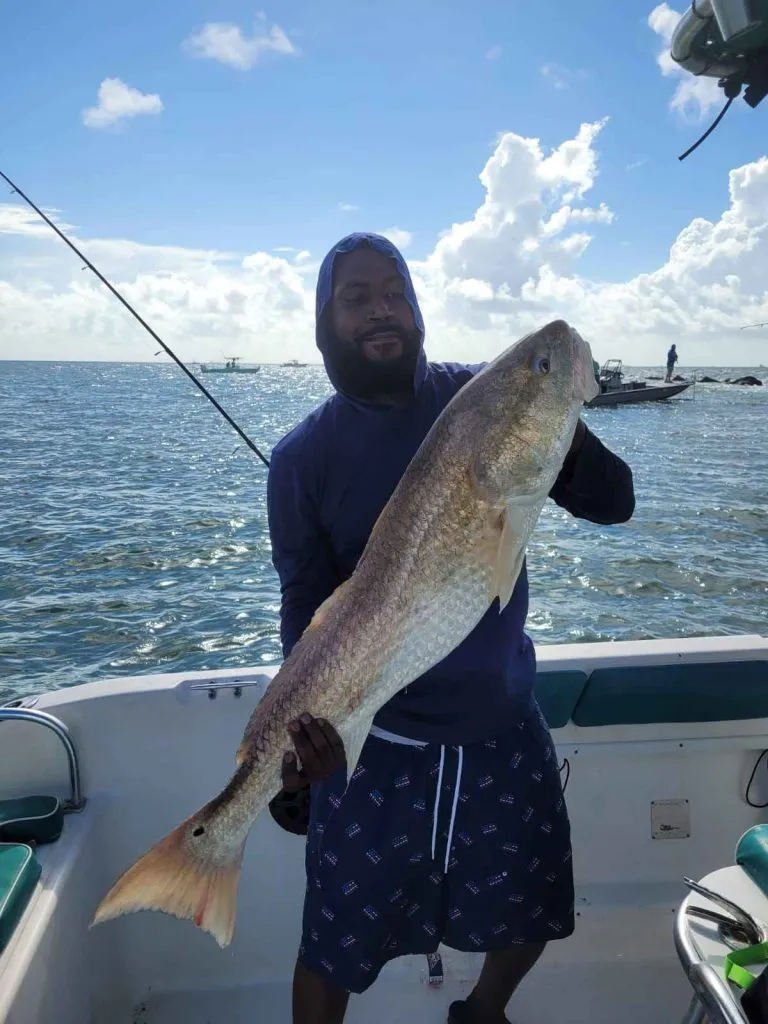
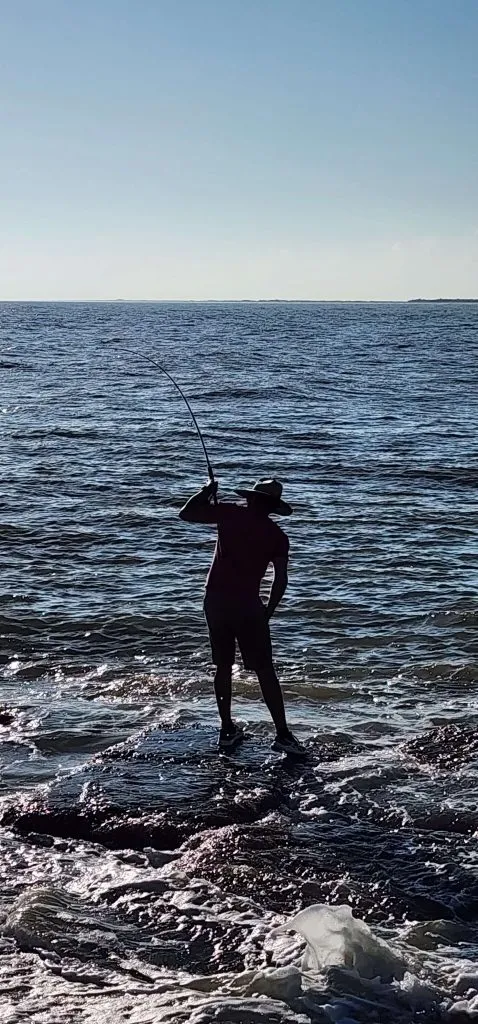
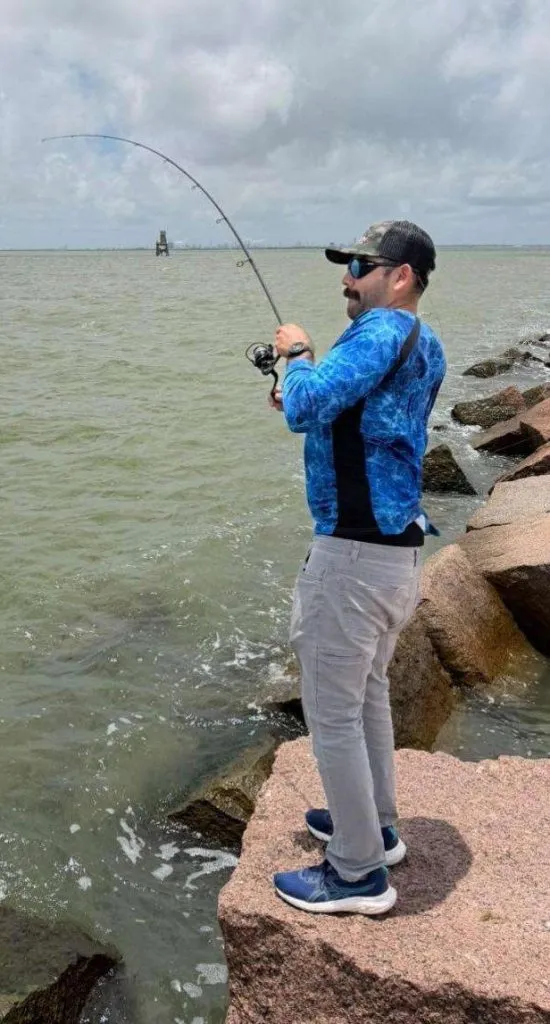
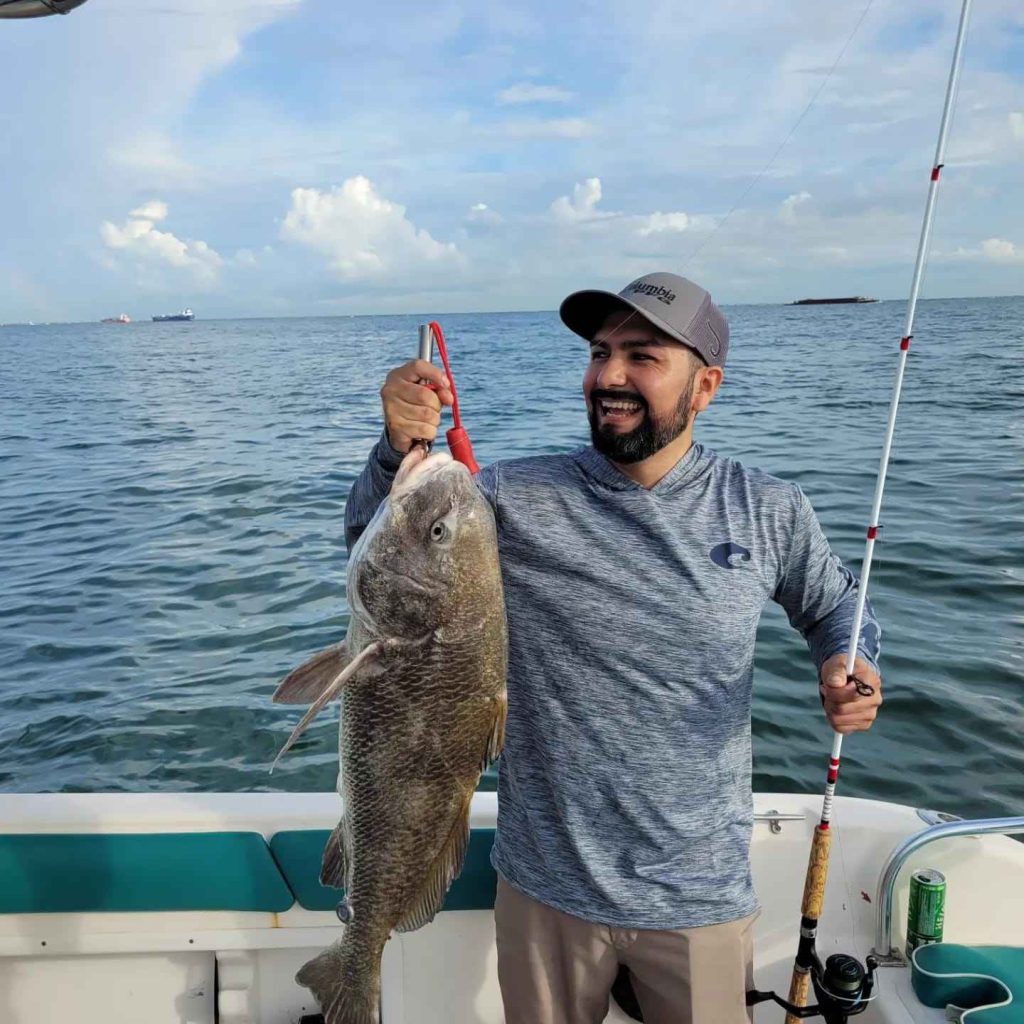
The Short Answer
For most inshore fishing situations:
👉 A 7’ medium-heavy rod with a moderate-fast action is the most versatile choice
This setup works well for redfish, trout, and a wide range of inshore conditions.
Why There Is No Single “Best” Rod
The idea of a single “best” rod is misleading because inshore fishing covers a wide range of environments.
Fishing open flats is very different from fishing around docks or jetties. Lighter lures require a different feel than heavier setups. Smaller fish behave differently than larger, more aggressive ones.
What you’re really choosing is a rod that matches how and where you fish.
The Three Things That Matter Most
When choosing a rod for inshore fishing, three factors matter more than anything else: power, action, and length.
Power
Rod power determines how much pressure you can apply to a fish. For inshore fishing, medium and medium-heavy rods are the most common.
Medium rods are better for lighter setups and smaller fish, while medium-heavy rods give you more control, especially around structure or when targeting redfish.
If you’re unsure how rod power works, it’s worth understanding how rod power vs action affects performance.
Action
Rod action controls where the rod bends and how it responds under load.
A moderate-fast action is one of the most balanced choices for inshore fishing because it provides both flexibility and control. It allows the rod to absorb runs while still delivering solid hook sets.
This balance becomes especially important when dealing with strong fish in changing conditions.
Length
Rod length affects casting distance, accuracy, and control.
Most inshore rods fall between 6’6” and 7’6”, with 7’ being the most versatile option. It provides a balance between distance and accuracy without feeling too long or too short.
Matching Your Rod to Real Conditions
The best rod depends on where you fish and how you fish.
In open water or on flats, lighter setups often perform well. A medium rod can provide better sensitivity and a smoother overall feel.
Around structure such as docks, rocks, or jetties, a medium-heavy rod becomes more important. It gives you the ability to control fish before they reach cover, which can make the difference between landing a fish and losing it.
If you fish a mix of environments, medium-heavy remains the safest and most versatile option.
Spinning vs Casting Rods
Another factor to consider is whether to use a spinning or casting setup.
Spinning rods are easier to use and tend to perform better with lighter lures and in open water. Casting rods provide more control and are often preferred when fishing around structure or using heavier setups.
If you’re unsure which is right for you, it helps to understand the differences between spinning vs casting rods for inshore fishing, especially as your fishing style develops.
Common Mistakes When Choosing a Rod
A lot of anglers run into the same issues when choosing an inshore rod.
One of the most common mistakes is going too light. While lighter rods feel more sensitive, they can struggle to control fish in real conditions.
Another mistake is going too heavy. This can reduce sensitivity and make casting less efficient, especially with lighter lures.
There’s also a tendency to focus too much on brand or price. While those things matter, they don’t replace choosing the right power, action, and length for your fishing style.
Why Build Quality Matters
Once you have the right specifications, build quality becomes the next factor.
A well-built rod will feel more balanced, more responsive, and more consistent under load. This comes from the quality of the blank, the components used, and how everything is put together.
Blanks such as Batson Rainshadow are commonly used in inshore rods because they provide reliable strength and consistent performance, especially when paired with quality construction.
Final Thoughts
The best rod for inshore fishing isn’t about finding the most expensive option or the most popular brand. It’s about finding a setup that works in real conditions.
For most anglers, that comes down to:
👉 A 7’ medium-heavy rod with a moderate-fast action
It’s a setup that balances sensitivity, control, and versatility, making it one of the most reliable choices for inshore fishing.
Looking for an Inshore Rod?
If you’re looking for a rod built with real-world performance in mind, designed to handle inshore conditions without compromise: