Tag: rod power vs action

  • Why Your Fishing Rod Feels Wrong (Power and Action Mistakes)

    If your fishing rod feels off—hard to cast, lacking sensitivity, or difficult to control fish—it’s usually not the brand or price. More often, it comes down to choosing the wrong combination of power and action.

    These two factors control how a rod bends, loads, and performs on the water. When they don’t match your setup, everything feels slightly off.
    The Most Common Problem

    A rod can feel “wrong” in a few ways. It might take too much effort to cast, fail to load properly, or feel weak and delayed on hook sets. In some cases, fish are harder to control than expected. Most of the time, this comes down to a mismatch between the rod’s power or action and the lure weight, line, or species being targeted.

    Using Too Much Power

    One of the most common mistakes is choosing a rod that’s too heavy for the setup. Heavier power rods require more force to bend, so when they’re paired with lighter lures or finesse techniques, they never fully load. This results in shorter casts and reduced feel. A medium-heavy rod, for example, can feel “dead” with light tackle because it’s not being used within its intended range.

    Not Enough Power

    On the other side, a rod that’s too light can feel unstable or underpowered. When targeting stronger fish or fishing around structure, lighter rods don’t provide enough backbone to stay in control. This often makes fights more difficult and increases the chances of losing fish. The rod may feel overly flexible or slow to respond when pressure is applied.

    The Wrong Action for Your Style

    Action is just as important as power, but it’s often overlooked. A fast action rod bends near the tip and recovers quickly, making it more responsive and better suited for lighter lures and precise presentations. A moderate or slow action rod bends deeper into the blank, spreading out the load and allowing for smoother casting, especially with heavier setups.

    When the action doesn’t match your fishing style, the rod can feel inconsistent. A fast action rod may feel too stiff when casting heavier lures, while a moderate action rod may feel less responsive when quick hook sets are needed.

    When Power and Action Don’t Work Together

    Even if power and action seem correct on their own, the combination matters. A medium-heavy rod with fast action will feel very different from one with moderate-fast action. One may feel sharp and highly responsive, while the other feels smoother and more forgiving. If the balance isn’t right, the rod won’t feel natural in your hands.

    Real Example: Inshore Fishing

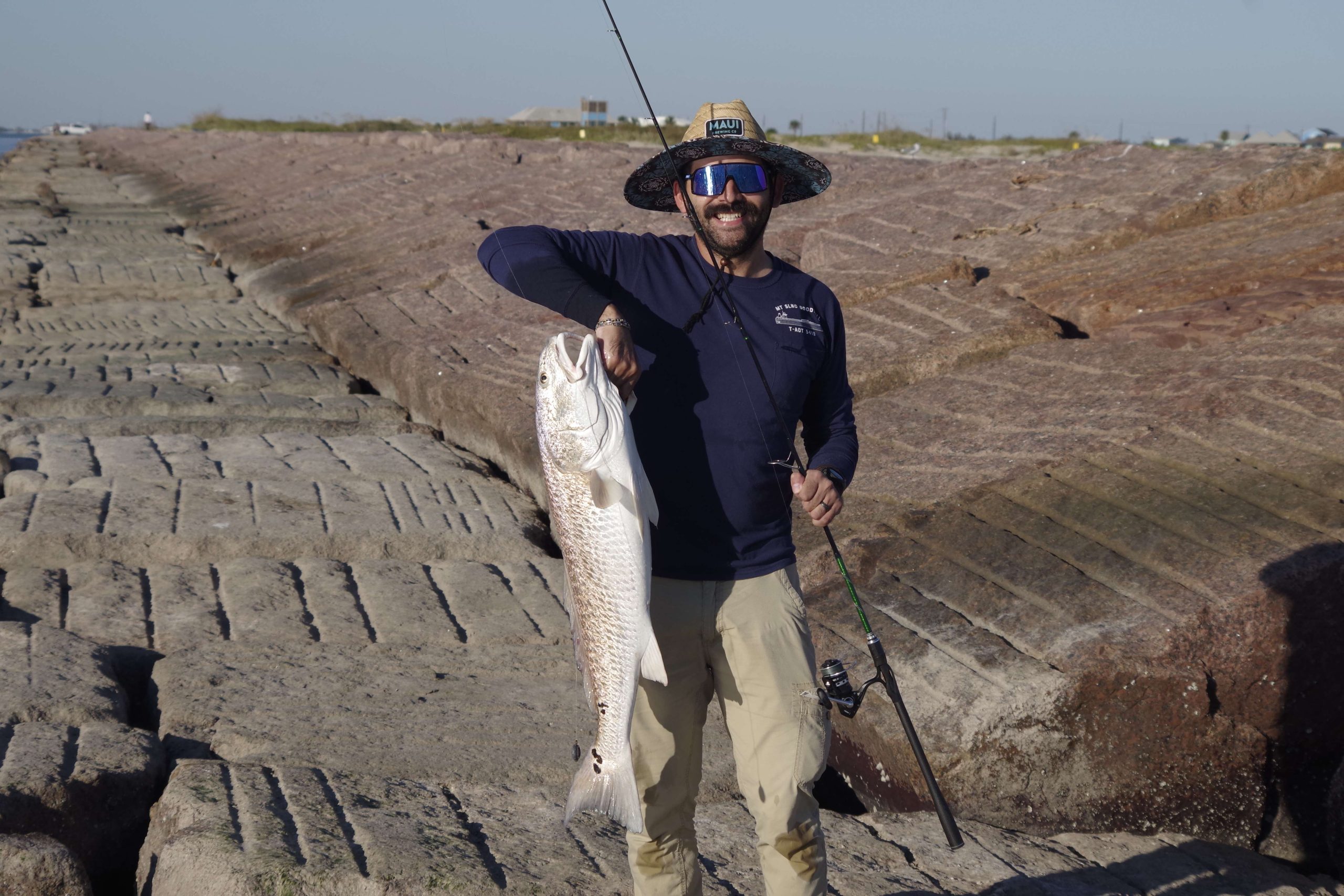
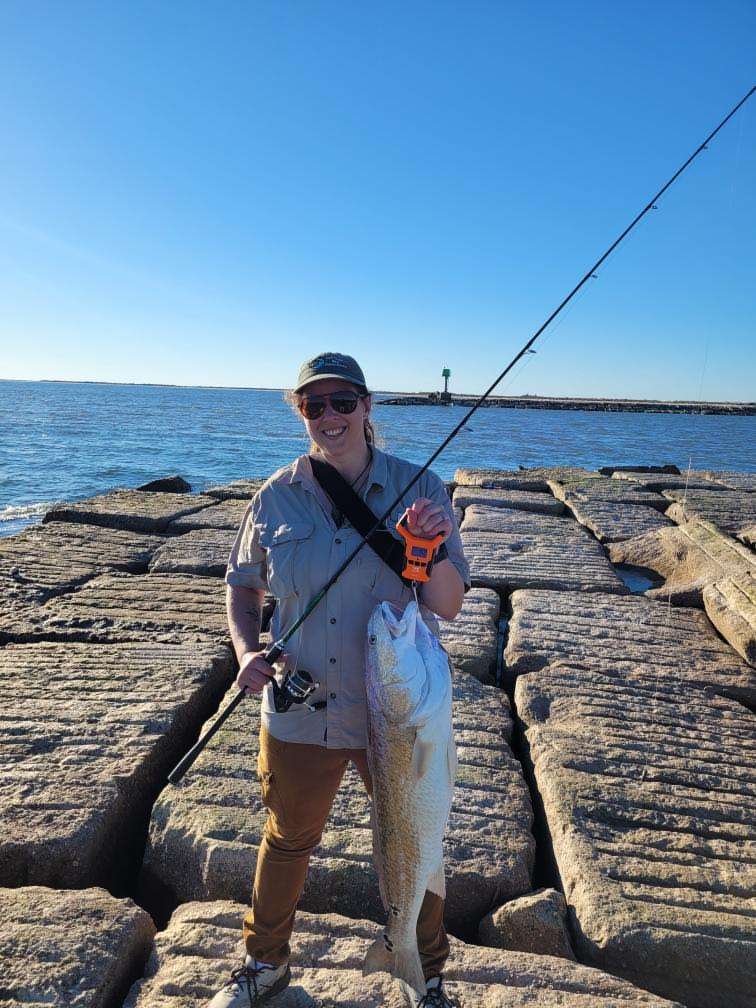
    Inshore fishing is a common place where these issues show up. A medium power rod with fast action works well for lighter lures and smaller species. But when targeting redfish around structure, many anglers step up to medium-heavy power with a moderate-fast action. This combination provides the strength needed to control fish while still allowing the rod to load properly during casts.

    Why This Matters More Than Brand

    Two rods can look nearly identical but perform completely differently depending on their power and action. Understanding how these work together gives you more control over your setup and helps you choose a rod that actually fits how you fish, rather than relying on brand or price.

    Fixing the Problem

    If your rod feels off, start by looking at your setup as a whole. Consider the weight of the lures you’re throwing, the type of line you’re using, and the size and strength of the fish you’re targeting. From there, match your rod’s power and action to those conditions. Small adjustments here can completely change how a rod feels and performs on the water.

    Learn More

    If you are still unsure whether the issue is rod power or rod action, read our Rod Power vs Action Explained guide to better understand how each affects casting, sensitivity, and overall rod performance.

    Grip material can also completely change how a rod feels on the water. Compare Carbon Fiber vs Cork Fishing Rod Grips to learn how handle design affects comfort and sensitivity.

    Guide layout and component choices also influence rod balance and performance. Learn more in our guide on How Fishing Rod Guides Affect Performance.

    Choosing the wrong setup for your target species can make even a quality rod feel awkward. Read What Power Rod for Redfish? to better match your rod to your fishing style and conditions.
  • What Power Rod for Redfish?

    What Power Rod for Redfish?

    Choosing the right rod power for redfish seems simple—but it’s one of the most misunderstood parts of inshore fishing.

    A lot of anglers either go too light or too heavy, and both can cost you fish.

    This guide breaks down what actually works—and the common mistakes to avoid

    What Power Rod for Redfish? (Common Mistakes and What Actually Works)

    Choosing the right rod power for redfish is one of the most important decisions you can make for inshore fishing, but it’s also one of the most misunderstood.

    A lot of anglers focus on brand names, price, or what someone else recommends, without really understanding how rod power affects performance. The result is usually the same—either a rod that feels great but struggles when it matters, or one that feels overly stiff and takes the enjoyment out of fishing.

    The reality is that redfish demand a specific balance of power, control, and flexibility. Getting that balance right makes a noticeable difference on the water.

    The Short Answer

    For most inshore situations:

    👉 A medium-heavy power rod is the best choice for redfish

    It provides the right combination of strength, control, and versatility to handle a wide range of conditions.

    What “Rod Power” Actually Means

    Rod power refers to how much force it takes to bend the rod. It determines how much pressure you can apply to a fish and how the rod performs under load.

    Most rods fall into general categories such as light, medium, medium-heavy, and heavy, but those labels only tell part of the story. Power also dictates what line and lure weights the rod is designed to handle, which directly affects casting and overall performance.

    If you’ve ever used a rod that felt “too soft” or “too stiff,” you were feeling the effects of incorrect power for the situation.

    If you’re unsure how rod power differs from action and how they work together, read our full guide on rod power vs action:

    Common Misconception #1 – “Redfish Aren’t That Strong”

    One of the biggest mistakes anglers make is underestimating redfish.

    Redfish are not just strong, they are unpredictable. They make sudden runs, change direction quickly, and will often head straight toward structure the moment they’re hooked. Even smaller fish can put surprising pressure on your gear.

    Using a rod that’s too light might feel fun at first, but it limits your ability to control the fish. Once a redfish turns toward rocks, docks, or heavy current, that lack of control becomes a real problem.

    This is why medium-heavy rods are so commonly recommended—they give you the backbone needed to stay in control when it matters.

    Common Misconception #2 – “Lighter Rods Mean Better Fishing”

    There’s a belief that lighter rods are always better because they’re more sensitive and more fun to use.

    While that can be true in certain situations, it doesn’t apply across the board.

    A medium-light rod can work well in open water with smaller redfish and lighter lures. You’ll get great feedback, and the fight will feel more dynamic. But that same rod quickly becomes a liability around structure or when targeting larger fish.

    The problem isn’t sensitivity—it’s control. Without enough power, you’re relying more on your line and drag than your rod, which increases the chances of losing fish.

    Common Misconception #3 – “Heavier Is Always Safer”

    On the opposite end, some anglers go too heavy thinking it will solve the problem.

    A heavy rod does provide more strength, but it comes with trade-offs that are often overlooked.

    Heavier rods can reduce sensitivity, making it harder to detect subtle bites. They can also make casting lighter lures more difficult and less accurate. In some cases, they even increase the chance of pulling hooks, especially when using certain lure types.

    The goal isn’t to use the strongest rod possible—it’s to use the one that gives you the best balance of strength and performance.

    What Actually Works for Redfish

    A medium-heavy rod paired with a moderate-fast action hits the balance that most inshore anglers are looking for.

    This setup allows you to:

    • Apply enough pressure to control fish near structure
    • Maintain sensitivity for detecting bites
    • Absorb sudden runs without pulling hooks

    It’s versatile enough to handle different lure types, different conditions, and a wide range of fish sizes.

    For most anglers, this becomes the “go-to” setup because it performs consistently across situations.

    When a Medium Power Rod Makes Sense

    There are situations where stepping down to a medium power rod is the right move.

    In open flats with minimal structure, a medium rod can provide a better overall experience. It allows for lighter presentations, smoother casting, and increased sensitivity.

    However, the trade-off is reduced control. Once you introduce structure, current, or larger fish, that limitation becomes more noticeable.

    Medium rods work best when conditions are controlled and predictable.

    Matching Rod Power to Your Environment

    Where you fish plays a major role in what rod power you should choose.

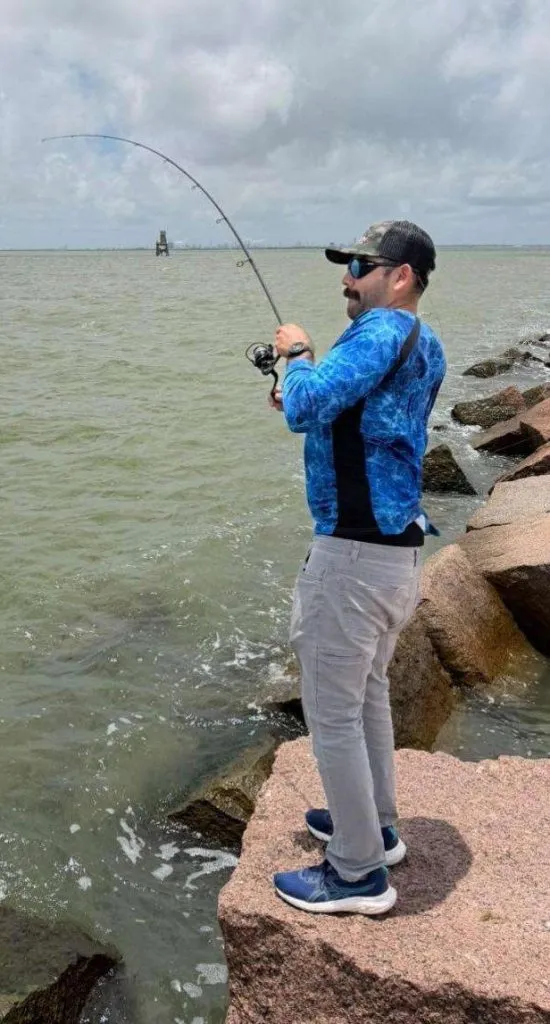
    In areas with heavy structure such as jetties, docks, or rocks, medium-heavy rods give you the stopping power needed to keep fish from breaking you off.

    In open water or flats, medium rods can work well, especially when targeting smaller fish or using lighter lures.

    If you fish a mix of environments, medium-heavy remains the safest and most versatile option.

    Why Rod Power Matters More Than Brand

    It’s easy to get caught up in brand names, but rod power has a much bigger impact on performance.

    A high-end rod with the wrong power will still perform poorly in the wrong conditions. On the other hand, a properly matched rod will feel more controlled, more responsive, and more effective overall.

    Power is one of the few factors that directly affects every part of your fishing experience—from casting to hook setting to fighting fish.

    The Role of Build Quality

    While power is critical, how that power is applied matters just as much.

    A well-built rod uses components and construction methods that allow the blank to perform as intended. This includes proper guide placement, clean wraps, and a balanced overall design.

    Blanks such as Batson Rainshadow are commonly used in inshore rods because they provide consistent strength and performance under load, especially when paired with quality components.

    Final Thoughts

    Choosing the right rod power for redfish isn’t about going as light as possible or as heavy as possible—it’s about finding the balance that works in real conditions.

    For most anglers, that balance comes down to:

    👉 A medium-heavy rod with a moderate-fast action

    It offers the control, versatility, and performance needed to handle redfish in a wide range of environments without sacrificing sensitivity or casting ability.

    Looking for a Redfish Rod?

    If you’re looking for a rod built with the right balance of power and performance for inshore fishing:

  • Rod Power vs Action Explained

    Rod Power vs Action Explained

    What Is Rod Power?

    Rod power refers to the amount of force required to bend a rod at its designed action point, and it plays a major role in how a rod handles fish, line, and lure weight. Power ratings typically range from ultra-light to heavy, with lighter rods bending more easily and heavier rods requiring more pressure to load.

    These ratings are directly tied to a rod’s recommended line and lure range, helping anglers match their setup to the conditions they’re fishing. A common way to choose the right power is by the size of the fish being targeted—lighter power rods are better suited for smaller species like panfish and trout, while medium power rods offer versatility for species like bass. For inshore fishing, especially when targeting redfish, medium-heavy power is often the preferred choice because it provides enough backbone to control strong fish, particularly around structure, while still maintaining sensitivity. In more demanding environments like surf fishing, even heavier power is typically needed to handle larger weights and tougher conditions.

    For example, a rod labeled 6’0” Light, 4–8 lb line, 1/16–1/4 oz lure indicates a 6-foot rod with light power, designed to perform best with 4–8 pound test line and lightweight lures between 1/16 and 1/4 ounce. This rating helps ensure the rod loads properly when casting and performs as intended when fighting fish.

    It ranges from ultra-light to heavy, and directly affects how the rod handles fish, line, and lure weight.

    fisherman casting rod into sea

    In simple terms:

    • Light power bends easily
    • Heavy power requires more force to bend

    Common Power Ratings

    • Ultra light (UL) → Small fish, finesse techniques
    • Light (L) → panfish, trout
    • Medium (M) → versatile, general-purpose fishing
    • Medium-Heavy (MH) → inshore, bass, redfish
    • Heavy (H) → large fish, heavy cover

    Why Power Matters

    Power determines:

    • How much pressure you can apply to a fish
    • The size of fish you can handle
    • The type of lures you can throw

    What Is Rod Action?

    What Is Rod Action?
    Rod action describes where the rod bends when pressure is applied.

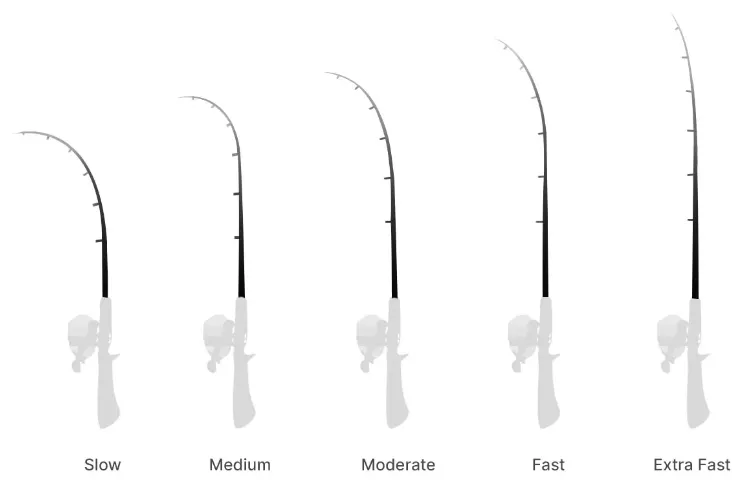
    It ranges from slow to extra fast, with slower actions bending deeper toward the handle, and faster actions bending closer to the tip.

    The terms “slow” and “fast” don’t just describe where the rod bends—they also reflect how quickly the rod recovers after being loaded. In other words, how quickly it returns to its original position once the pressure is released.

    Rod action plays a major role in performance, especially when it comes to casting. When you load a rod during a cast, slower actions tend to handle heavier lures more smoothly because they distribute that load across a larger portion of the blank. Faster actions, on the other hand, are better suited for lighter setups and more precise casting.

    Common Action Types

    • Slow Action → bends throughout the entire rod
    • Moderate Action → bends through the middle
    • Fast Action → bends mostly near the tip
    • Extra Fast → bends only at the very tip

    A fast action rod gives:

    • Quick response
    • Strong hook sets
    • Better feel

    A moderate action rod gives:

    • More flex
    • Better shock absorption
    • Smoother fights

    Power vs Action: The Key Difference

    This is the simplest way to think about it:

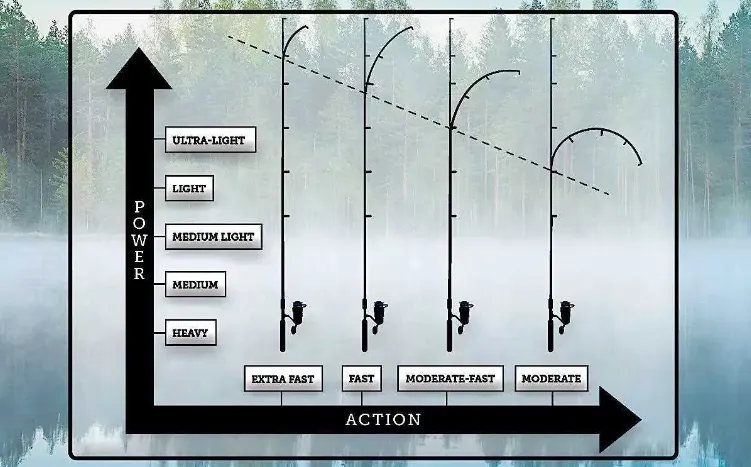
    • Power = how much it bends
    • Action = where it bends

    They work together, but they control different aspects of performance.

    This is the simplest way to think about it:

    • Power = how much it bends
    • Action = where it bends

    They work together, but they control different aspects of performance.

    This is the simplest way to think about it:

    • Power = how much it bends
    • Action = where it bends

    They work together, but they control different aspects of performance.

    Medium + Fast

    • Versatile
    • Good sensitivity
    • Common all-around setup

    Medium-Heavy + Moderate-Fast

    • Stronger backbone
    • Still flexible enough for fighting fish
    • Ideal for inshore fishing

    Light + Fast

    • Very sensitive
    • Great for finesse techniques

    Inshore / Redfish:

    • Medium-Heavy power
    • Moderate-Fast action

    Trout / Panfish:

    • Light to Medium power
    • Fast action

    General Use:

    • Medium power
    • Fast action

    Why This Matters More Than Brand Names

    Many anglers focus on brand or price, but power and action have a bigger impact on how a rod performs.

    Two rods can look similar—but feel completely different on the water depending on how they’re built.


    Final Thoughts

    Understanding rod power and action gives you more control over your setup and helps you choose a rod that actually matches your fishing style.

    Once you dial in the right combination, you’ll notice:

    • Better casting
    • More consistent hook sets
    • More control during fights