If you’ve ever picked up two rods with similar specs and noticed that one just feels better, more stable, or more responsive, there’s a good chance the difference comes down to how the rod was built. One of the most important and most overlooked parts of rod building is the spine.
The spine of a fishing rod is a natural characteristic of the blank that forms during manufacturing. It affects how the rod bends, loads, and recovers under pressure. When it’s ignored, performance suffers. When it’s used correctly, everything feels more controlled and consistent.
What the Spine Actually Is
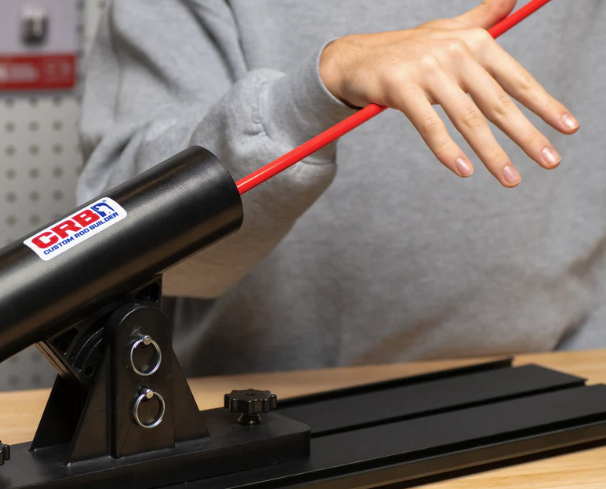
Rod blanks are made by rolling layers of graphite or fiberglass material around a mandrel. Because those layers overlap and compress during curing, the blank develops a natural direction where it prefers to bend. That direction is what builders refer to as the spine.
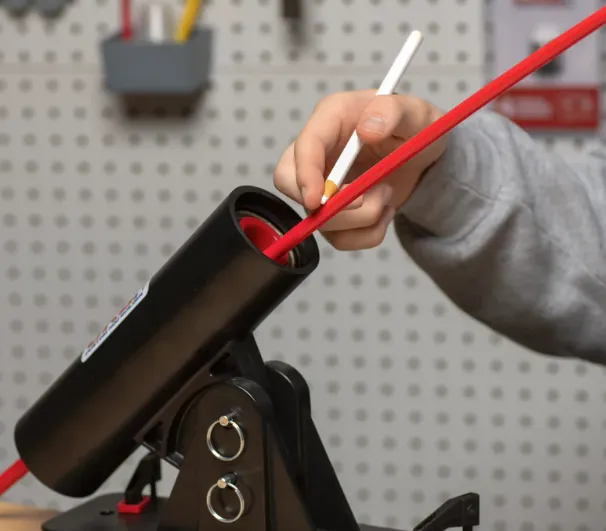
If you apply pressure to a blank and rotate it slowly, you’ll feel it “snap” into a position where it wants to settle. That position isn’t random. It’s the most stable axis of the blank, and it’s where the rod performs most consistently under load.
Why the Spine Matters
When a rod is built without considering the spine, it can twist slightly when loaded. That twist might not be obvious at first, but it shows up in ways that affect how the rod performs on the water.
A rod that isn’t aligned with its spine can feel less stable during casting, less accurate when placing lures, and less controlled when fighting fish. Over time, that inconsistency becomes noticeable, especially when you’re fishing in conditions where precision matters.
When a rod is built on the spine, it tracks more naturally. The blank loads and unloads the way it was designed to, which improves casting consistency, keeps the rod stable under pressure, and gives you a more connected feel to what’s happening at the end of your line.
Why Most Factory Rods Ignore It
Spine alignment takes time. It requires individually checking each blank, finding its natural orientation, and building around it. That doesn’t scale well in a production environment.
Most factory rods are built quickly and in high volume, which means components are aligned for speed and consistency in manufacturing, not for performance in the field. As a result, many rods leave the factory without ever being built on their true spine.
That doesn’t mean they won’t work, but it does mean they aren’t optimized.
How It Affects Your Fishing
On the water, the difference shows up in subtle but important ways. A properly aligned rod feels more predictable. Casts land where you expect them to. The rod loads smoothly when working a lure and responds cleanly when setting the hook.
When fighting a fish, the rod stays stable instead of trying to roll or twist. That stability translates into better control, especially when you’re dealing with structure, current, or strong fish.
It’s not about making the rod flashy. It’s about making it reliable.
How We Build Around the Spine
Every rod we build is checked for its natural spine before any components are installed. Once that orientation is identified, the guides and reel seat are aligned to match how the blank wants to perform under load.
This ensures that the rod works with its natural structure instead of against it. The result is a build that feels more balanced, more controlled, and more consistent every time it’s used.
The Bottom Line
The spine of a fishing rod isn’t something you see, but it’s something you feel. It’s one of those details that separates a rod that simply works from one that performs the way it should.
If you’re investing in a rod you plan to fish with regularly, it makes sense to have it built correctly from the start.
If you want to understand how this fits into overall rod performance, read our guide on rod power vs action explained.