Fishing rod handles are one of the most personal parts of any setup. Two of the most common grip materials used in modern fishing rods are EVA foam and cork. Each material offers different advantages depending on fishing style, comfort preference, maintenance expectations, and environment. Understanding the differences between EVA and cork helps anglers choose the right grip for their rod setup.
What Is EVA Foam?
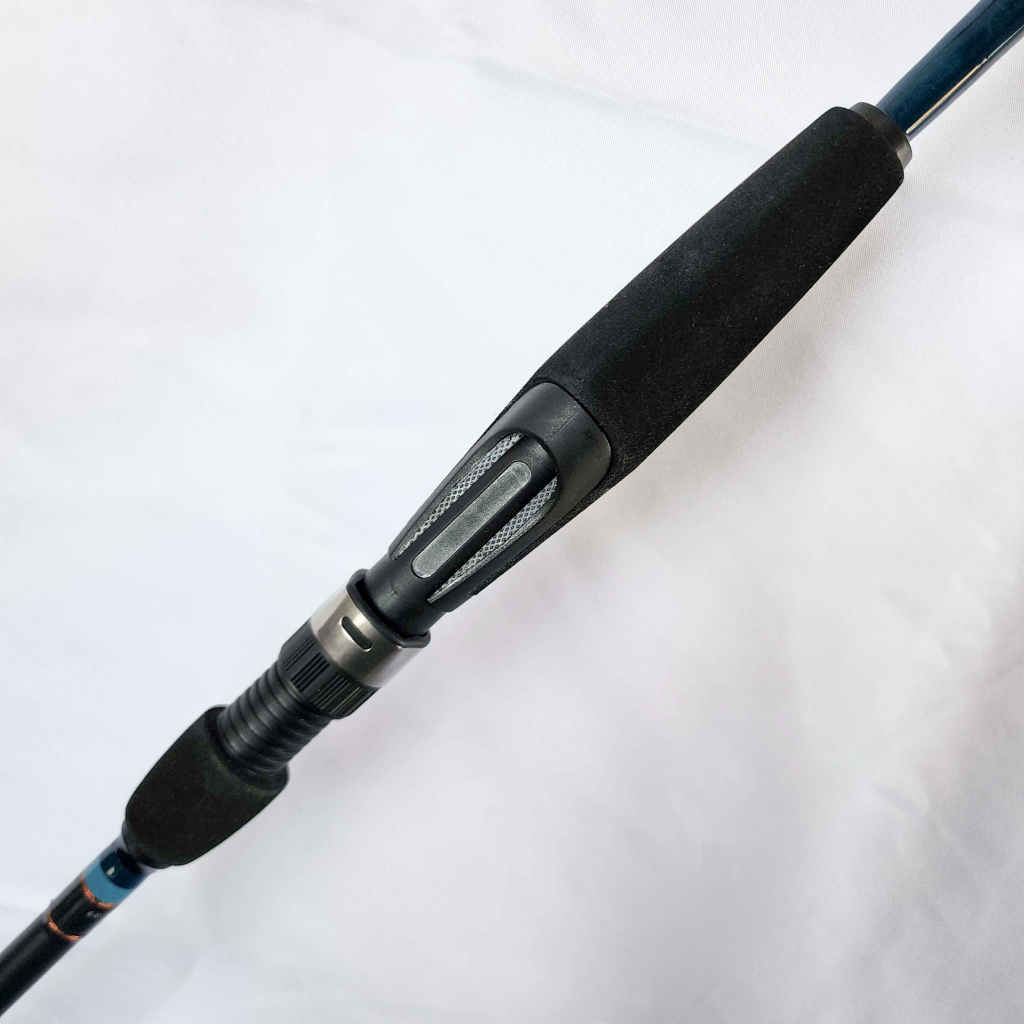
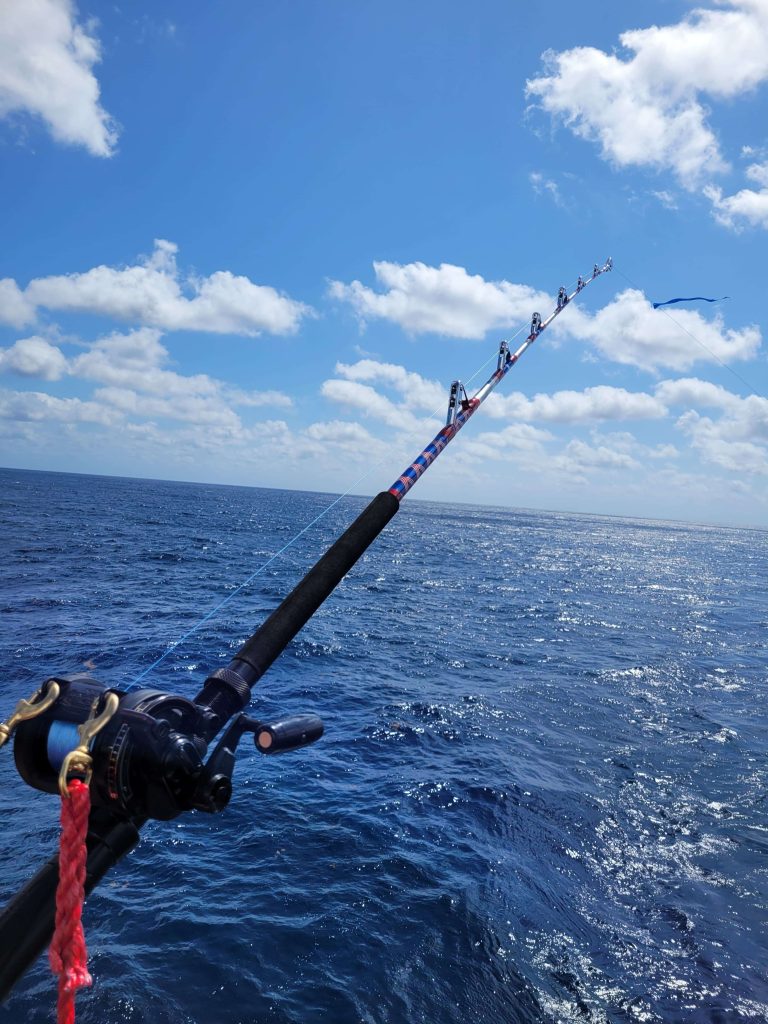
EVA, or ethylene-vinyl acetate, is a dense foam material commonly used on modern fishing rods. EVA grips are known for their durability, moisture resistance, easy maintenance, and affordability. Because of these characteristics, they are extremely common on offshore rods, saltwater setups, heavy-use rods, and travel rods designed to handle harsh conditions.
One of the biggest advantages of EVA grips is durability. EVA resists cracking, chipping, water absorption, and salt exposure far better than many traditional materials. This makes it especially popular for anglers fishing in tough environments where rods are regularly exposed to moisture, heat, fish slime, and heavy use.
EVA is also very low maintenance. Most grips can simply be rinsed clean after a day on the water without requiring additional care or treatment. Many anglers appreciate how well EVA handles mud, bait residue, saltwater, and general wear over time.
Comfort is another reason many fishermen choose EVA grips. The softer foam compresses slightly under pressure, making long fights with larger fish more comfortable. This is particularly noticeable on offshore rods, jigging setups, and heavier inshore rods where anglers may spend extended periods under load.
What Is Cork?
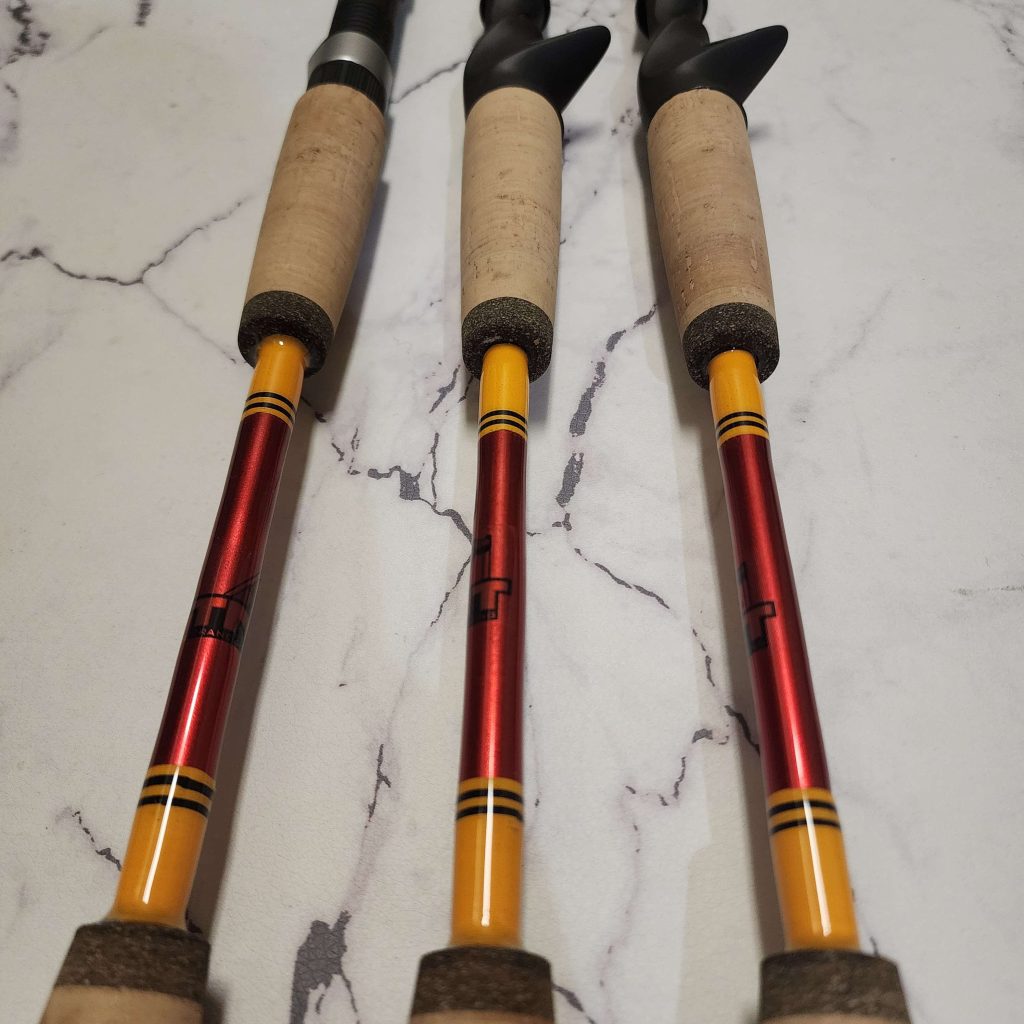
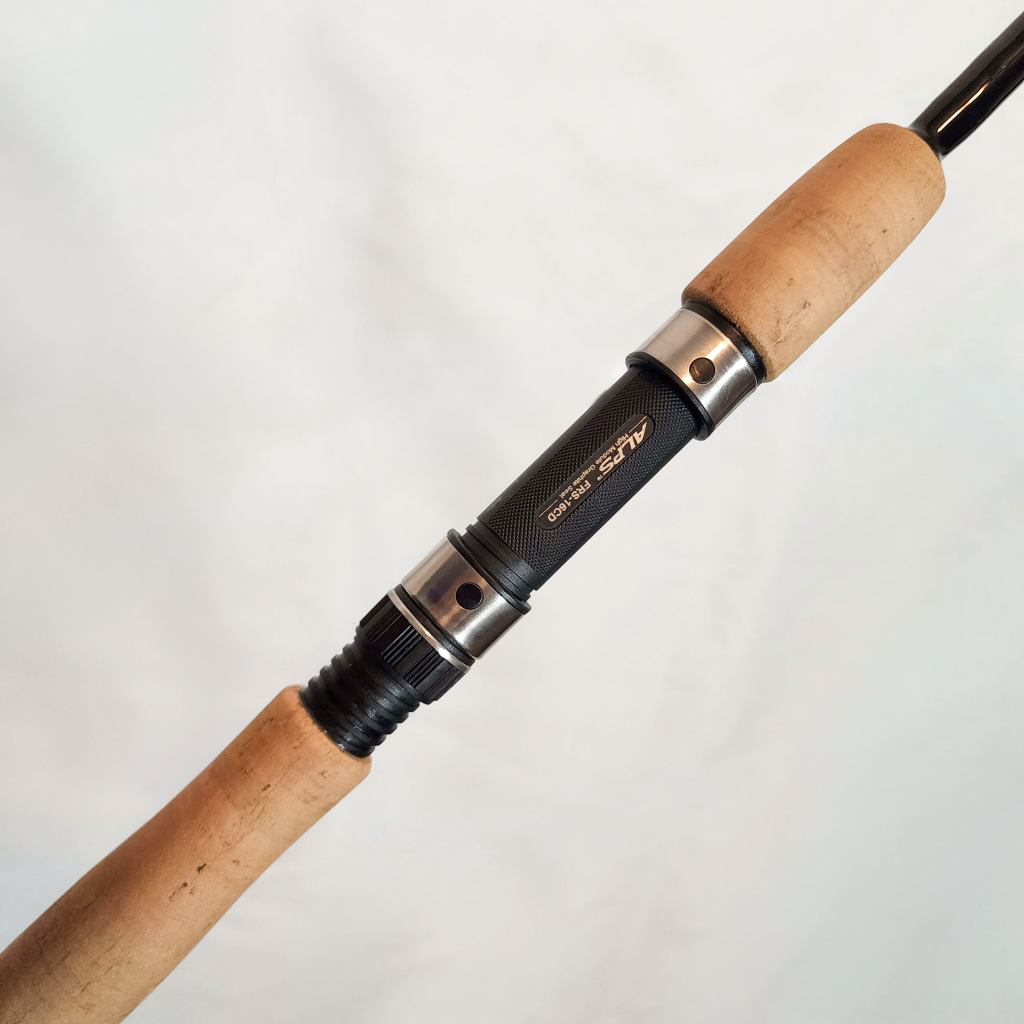
Cork has been used in fishing rods for decades and remains extremely popular in freshwater and lighter tackle applications. High-quality cork is lightweight and highly sensitive while offering the classic appearance and feel many anglers prefer.
One of cork’s biggest strengths is sensitivity. Cork transmits vibration exceptionally well, allowing anglers to better detect subtle bites, bottom composition, and lure movement. Because of this, cork is especially common among bass anglers, finesse fishermen, and freshwater applications where feel is extremely important.
Cork is also lightweight, which helps reduce overall rod weight and improve balance. Many anglers feel this contributes to a more responsive and refined rod feel, especially on lighter setups designed for precision fishing.
In addition to performance, many fishermen simply prefer the traditional appearance of cork. Cork handles are commonly associated with premium freshwater rods, fly rods, and high-end custom builds where aesthetics matter alongside performance.
Disadvantages of EVA and Cork
While EVA is extremely durable, some anglers feel it lacks the sensitivity and premium feel of cork. EVA can also compress over time with heavy use and may appear less refined aesthetically compared to higher-grade cork handles.
Cork, while lightweight and sensitive, does require more maintenance. Cork stains more easily, can chip or pit over time, and may degrade faster in saltwater environments if not properly cared for. Lower-grade cork can also develop filler loss, creating rough spots or visible gaps after extended use.
Which Grip Material Is Better?
Neither EVA nor cork is universally better. The ideal grip material depends largely on fishing style, target species, environment, and personal preference.
EVA is often preferred for saltwater fishing, offshore use, heavy-use rods, and low-maintenance setups where durability matters most. Cork is commonly favored for freshwater rods, finesse applications, lightweight builds, and situations where sensitivity and traditional aesthetics are prioritized.
Many custom rods even combine both materials to balance durability, comfort, and appearance.
Looking for an even lighter and more performance-focused grip material? Read our guide on Carbon Fiber vs Cork Fishing Rod Grips to compare sensitivity, durability, and modern custom rod design.
Final Thoughts
Fishing rod grips play a major role in comfort, control, balance, and long-term durability. EVA and cork each offer unique strengths depending on how and where a rod is used.
For anglers prioritizing durability and easy maintenance, EVA is often the preferred choice. For those prioritizing sensitivity and a classic feel, cork remains one of the most popular handle materials in fishing rod design.