Choosing between a spinning rod vs casting rod for inshore fishing is one of the most common decisions anglers face. It’s also one of the most misunderstood.
Both setups are capable of catching redfish, trout, and other inshore species, but they perform differently depending on how you fish, what you’re throwing, and the conditions you’re in. Understanding those differences is what separates a setup that works from one that constantly feels off.
The Core Difference
The main difference between spinning and casting rods comes down to how the reel is mounted and how the line flows during a cast.
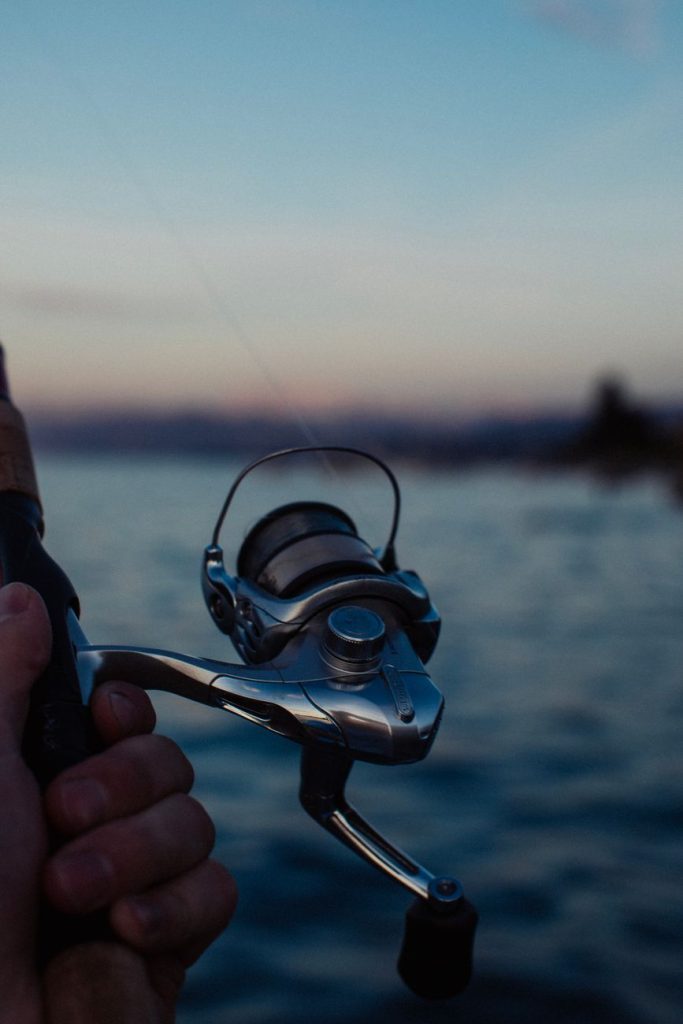
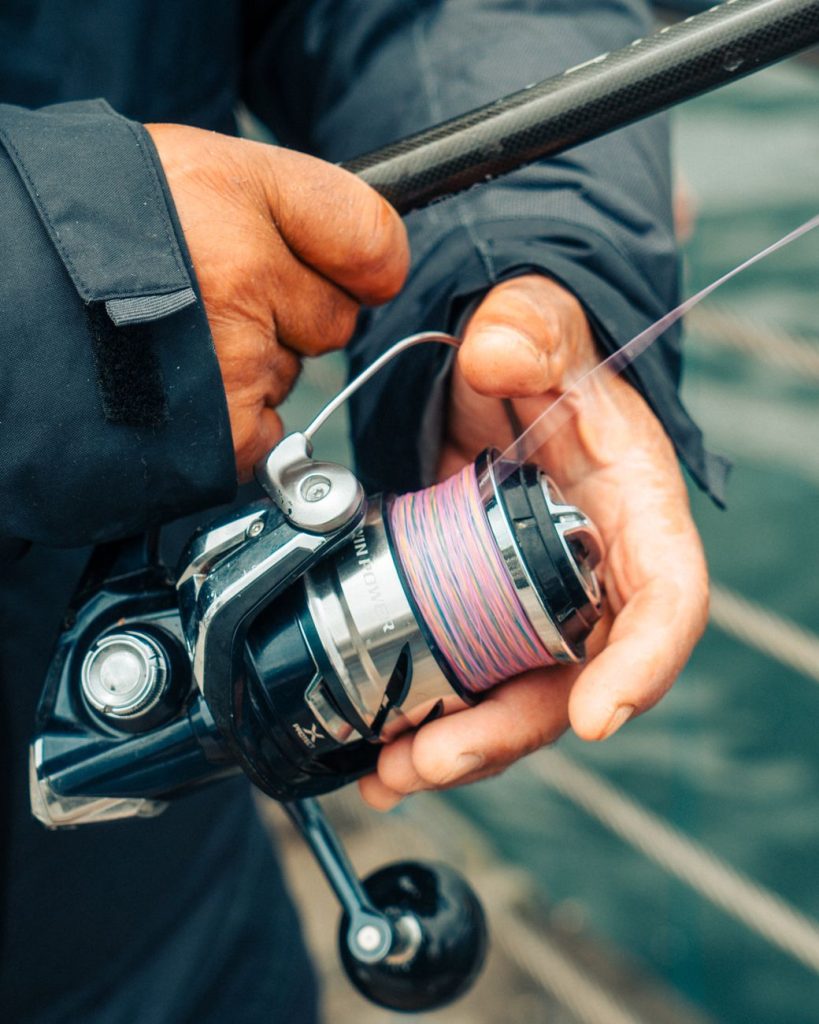
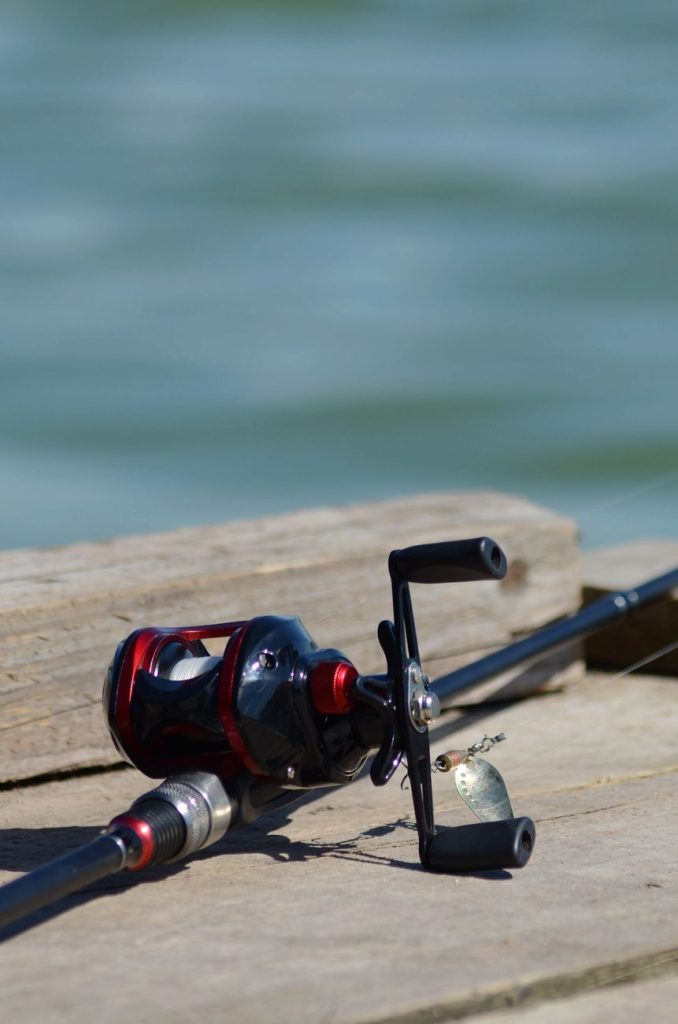
A spinning rod uses a reel mounted underneath the rod, allowing line to flow freely off the spool. A casting rod places the reel on top, giving the angler more direct control over the line during a cast and retrieve.
That one difference affects everything from casting distance to accuracy to how much control you have over a fish.
When a Spinning Rod Makes More Sense
Spinning rods are often the starting point for inshore fishing, but they’re not just for beginners. They remain one of the most versatile tools on the water.
They perform best in situations where simplicity, consistency, and lighter presentations matter more than raw control. If you’re fishing open flats, covering water, or working lighter lures, a spinning setup tends to feel more natural and forgiving.
In real-world conditions, spinning rods are commonly used for:
- open water and flats
- lighter lures such as soft plastics
- trout and smaller redfish
- windy conditions where line control becomes more difficult
The biggest advantage is how easy they are to use. You can focus on fishing instead of managing your equipment, which is especially valuable when conditions aren’t perfect.
When a Casting Rod Has the Advantage
Casting rods are built around control. Once you understand how to use them, they offer a level of precision and power that spinning setups can’t quite match.
They shine in situations where placement matters and where fish need to be controlled quickly after the hookset. Around docks, jetties, rocks, or any kind of structure, that added control becomes a major advantage.
Casting rods are most commonly used for:
- fishing tight structure like docks and rocks
- targeting larger redfish
- working heavier lures
- situations where precise casting is critical
They do require more skill to use effectively, but once dialed in, they give you a more direct connection to both your lure and the fish.
Spinning vs Casting for Redfish
Both spinning and casting rods can be effective for redfish, but they serve different roles depending on the environment.
In open water or on flats, spinning rods are often the better choice. They allow for longer casts, lighter presentations, and a more forgiving experience overall. This makes them ideal for covering water and working subtle bites.
In contrast, when fishing around structure or targeting larger fish, casting rods tend to perform better. They provide more control during the fight, making it easier to turn fish before they reach cover.
Inshore fishing often involves both scenarios, which is why many anglers eventually use both setups rather than choosing one over the other.
How Rod Power and Action Fit In
The choice between spinning and casting is only part of the equation. Power and action play just as big of a role in how your rod performs.
A spinning rod that’s too light will struggle in structure. A casting rod that’s too heavy can lose sensitivity and casting efficiency. Matching the right power and action to your setup is what makes everything work together.
If you’re unsure how these factors interact, it’s worth understanding how rod power vs action affects performance, especially for inshore fishing where conditions change quickly.
Common Misconceptions
A lot of confusion around spinning vs casting rods comes from a few common assumptions.
One of the biggest is that spinning rods are only for beginners. While they are easier to learn, they remain a primary tool for experienced anglers because of their versatility.
Another misconception is that casting rods are always better. They’re not. They’re better in specific situations, particularly where control and precision matter, but they can be limiting in others.
There’s also the idea that you have to choose one or the other. In reality, most anglers who fish regularly end up using both, depending on the conditions.
Which One Should You Choose?
The best choice comes down to how and where you fish.
If your fishing is mostly in open water, with lighter lures and less structure, a spinning rod will likely give you the best overall experience. It’s simple, reliable, and effective across a wide range of conditions.
If you spend more time fishing around structure, targeting larger fish, or working heavier setups, a casting rod will give you more control and better performance in those situations.
For many anglers, the most practical approach is to start with spinning gear and add a casting setup as their fishing becomes more specialized.
Final Thoughts
Spinning and casting rods are not competing options—they’re tools designed for different purposes.
Understanding when to use each one is what allows you to adapt to changing conditions and fish more effectively. The right choice isn’t about preference alone, it’s about using the setup that performs best for the situation in front of you.
Looking for the Right Inshore Rod?
If you’re looking for rods designed for real inshore conditions, built with the right balance of control, sensitivity, and durability:
Leave a Reply